

Australia’s beautiful weather also brings intense sun, high temperatures, and UV exposure — all of which challenge outdoor living spaces. A pergola is more than a shade structure: in hot climates, it must manage heat, airflow, and sunlight to keep your outdoor space comfortable year-round.
This guide explains how to choose the best pergola for hot climates, covering roof types, materials, shading strategies, and airflow solutions that work well under Australian conditions.


Why Climate Matters for Pergola Performance
In hot weather, a pergola must address multiple challenges:
-
Excess heat and radiant sun exposure
-
UV protection for people and outdoor furniture
-
Air circulation to reduce heat buildup
-
Reflected heat from surfaces (concrete, decking)
Without effective design, outdoor spaces quickly become uncomfortable, even unusable during peak heat.
At PureSolid, we help homeowners think beyond shade alone — focusing on cooling performance, airflow, and long-term comfort.
Key Factors for Choosing Pergolas in Hot Climates
When selecting a pergola for hot weather, prioritise:
1. Roof Type — Sun Control & Heat Management
The roof determines how much sunlight enters the space and how much heat is absorbed or reflected.
2. Airflow — Natural Cooling Is Essential
Cross-ventilation and airflow beneath the pergola reduce heat buildup.
3. Material & Finish — Reflectivity Matters
Light-coloured and heat-reflective materials help lower surface temperatures.
4. Integration with Landscape & Orientation
Pergola placement relative to the sun path affects shade quality throughout the day.
Roof Type Guide: Cool Shade in Hot Climates
🔹 Louvred Pergola Roofs — Best for Dynamic Control
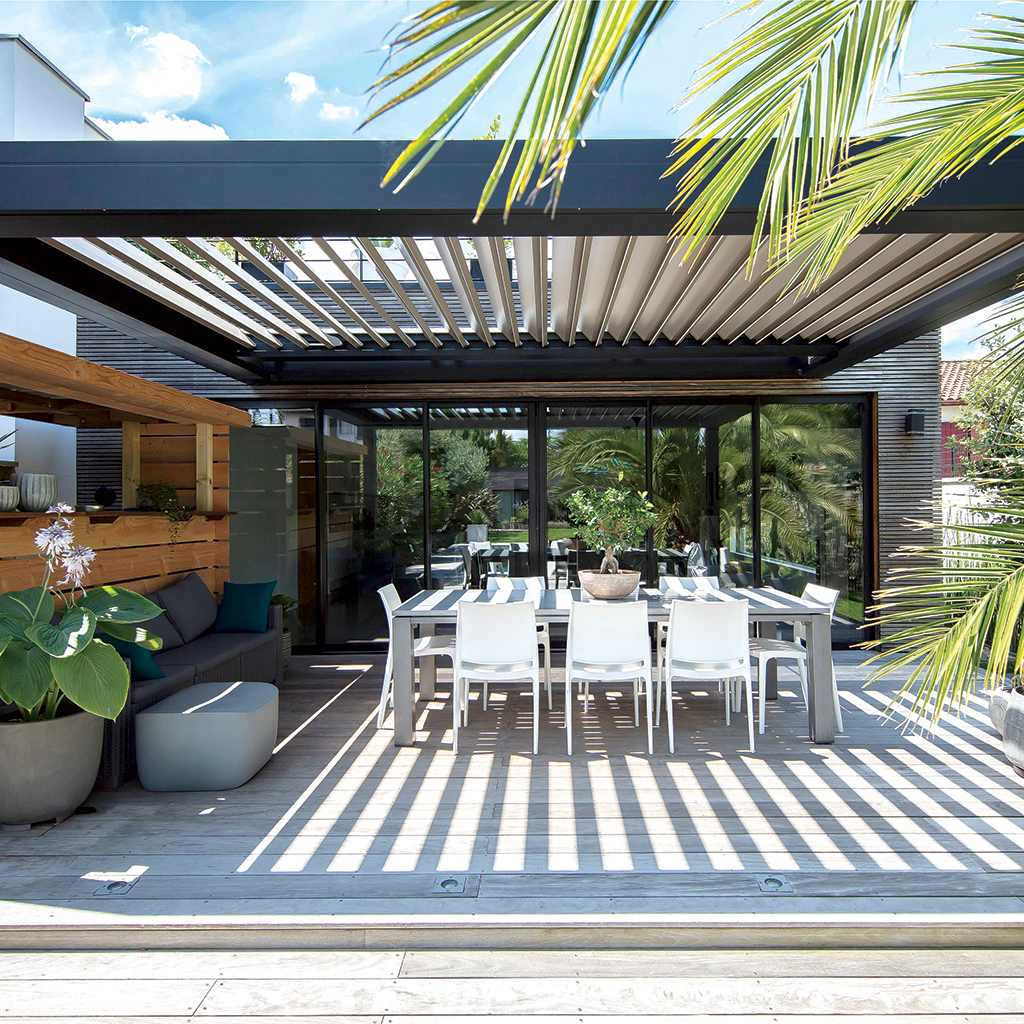
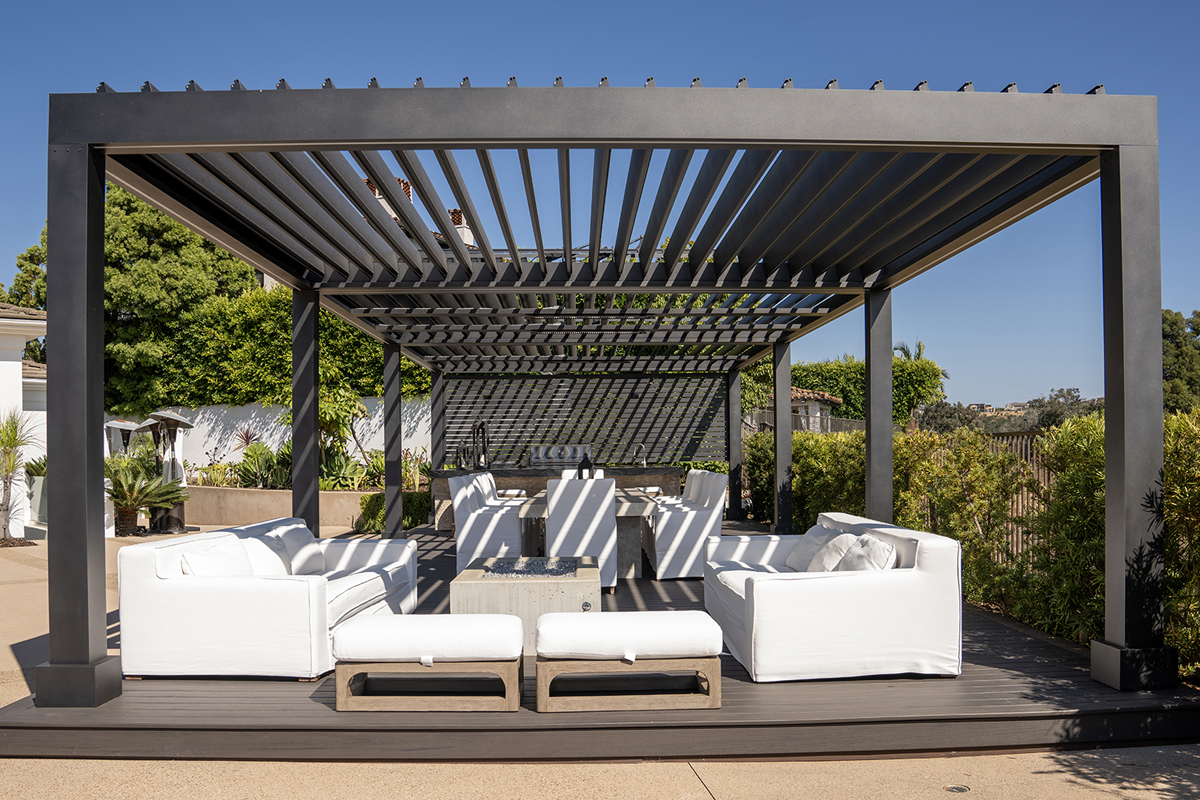
Louvred roofs use adjustable blades that help manage sunlight, heat, and airflow.
Why they’re great in hot climates
-
Louvres open to allow heat to escape
-
Louvres close for shade and sun blocking
-
Many systems incorporate reflective finishes to reduce heat absorption
Best for
-
Homeowners who want year-round use
-
Areas with seasonal heat spikes
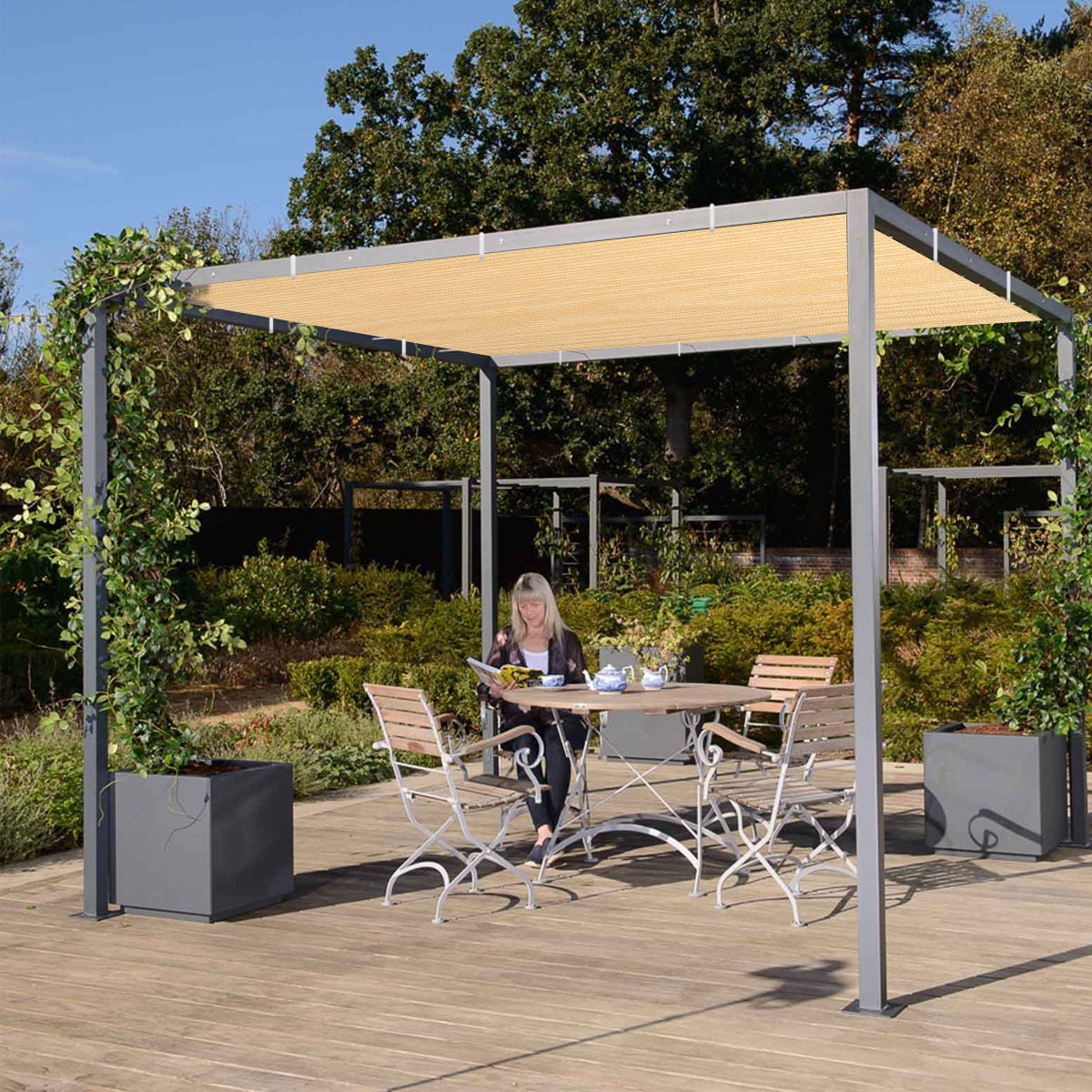
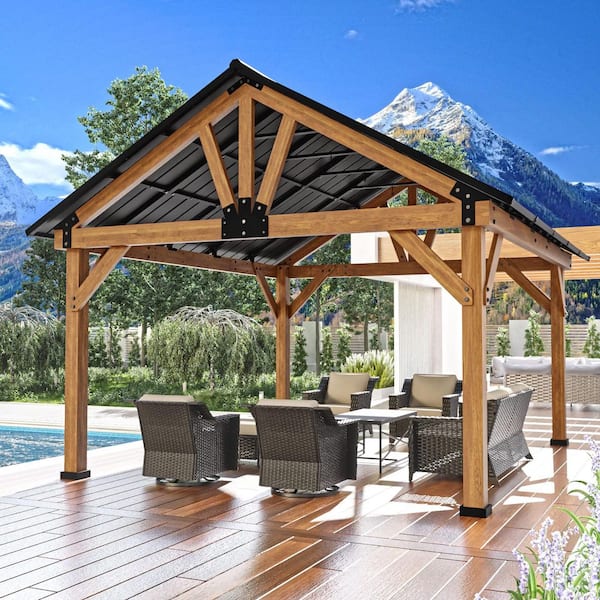
🔹 Flat (Solid) Roofs with Reflective Coating — Reliable Shade
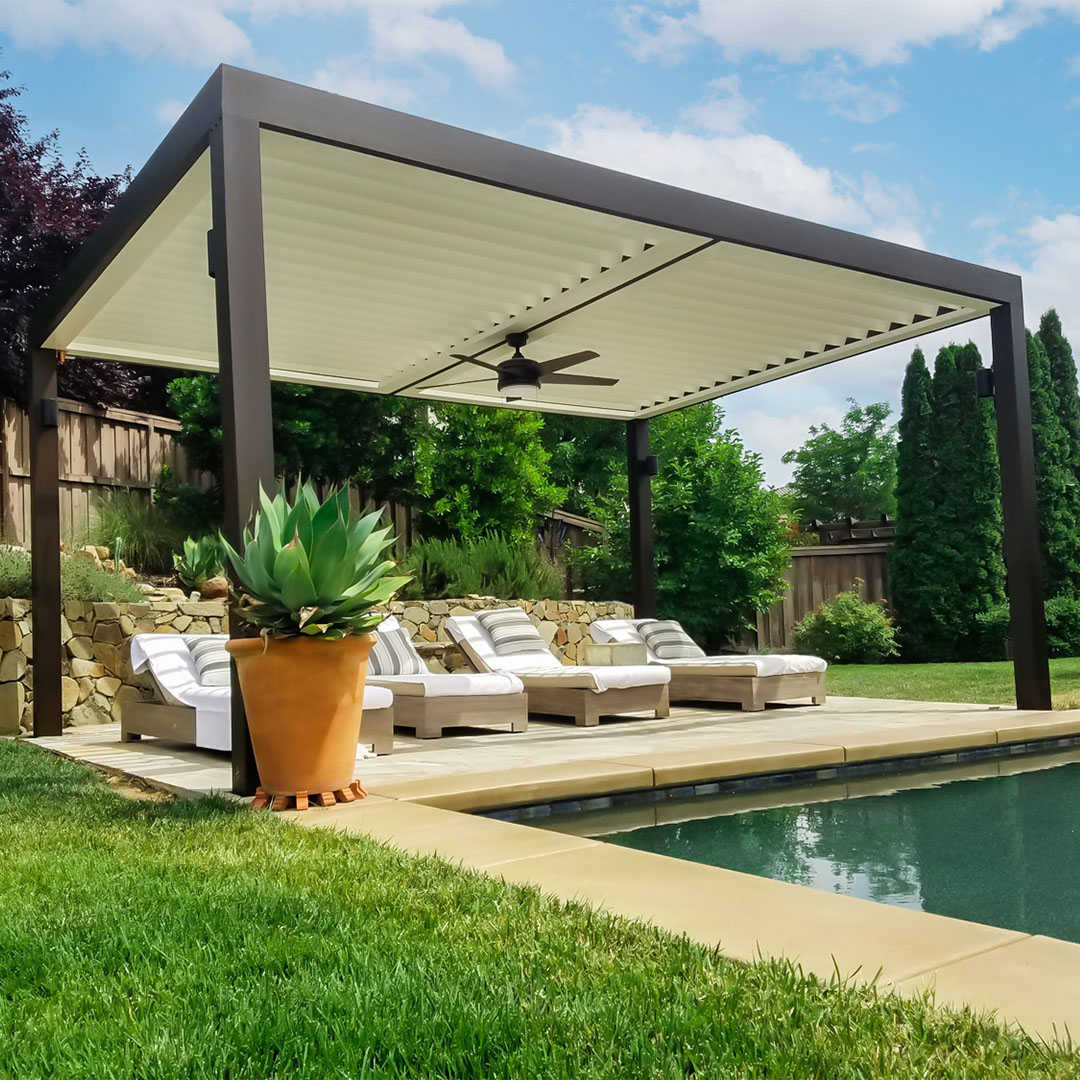
Fixed roofs with heat-reflective finishes provide consistent shade.
Pros
-
Excellent sun blockage
-
Low maintenance
-
Very durable
Cons
-
Limited airflow unless combined with ventilation strategies
Best for
-
Outdoor dining areas
-
Spaces where consistent sun blockage is needed
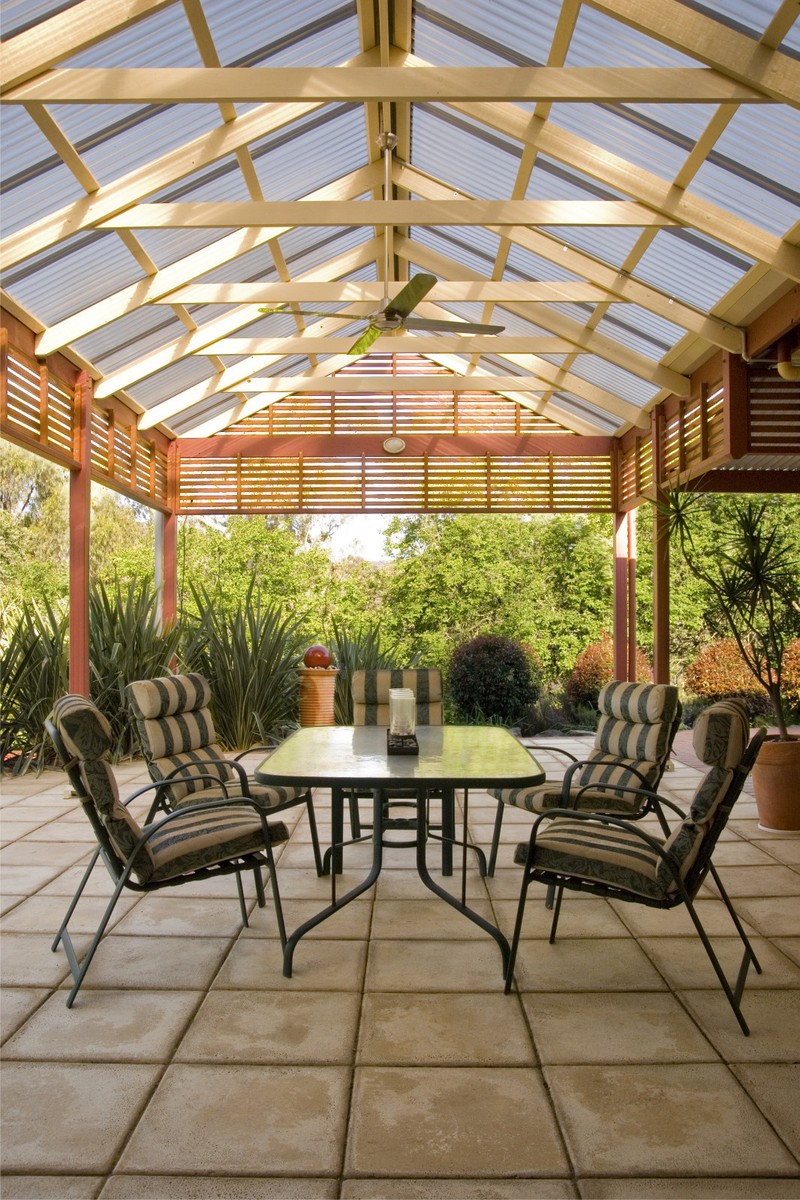
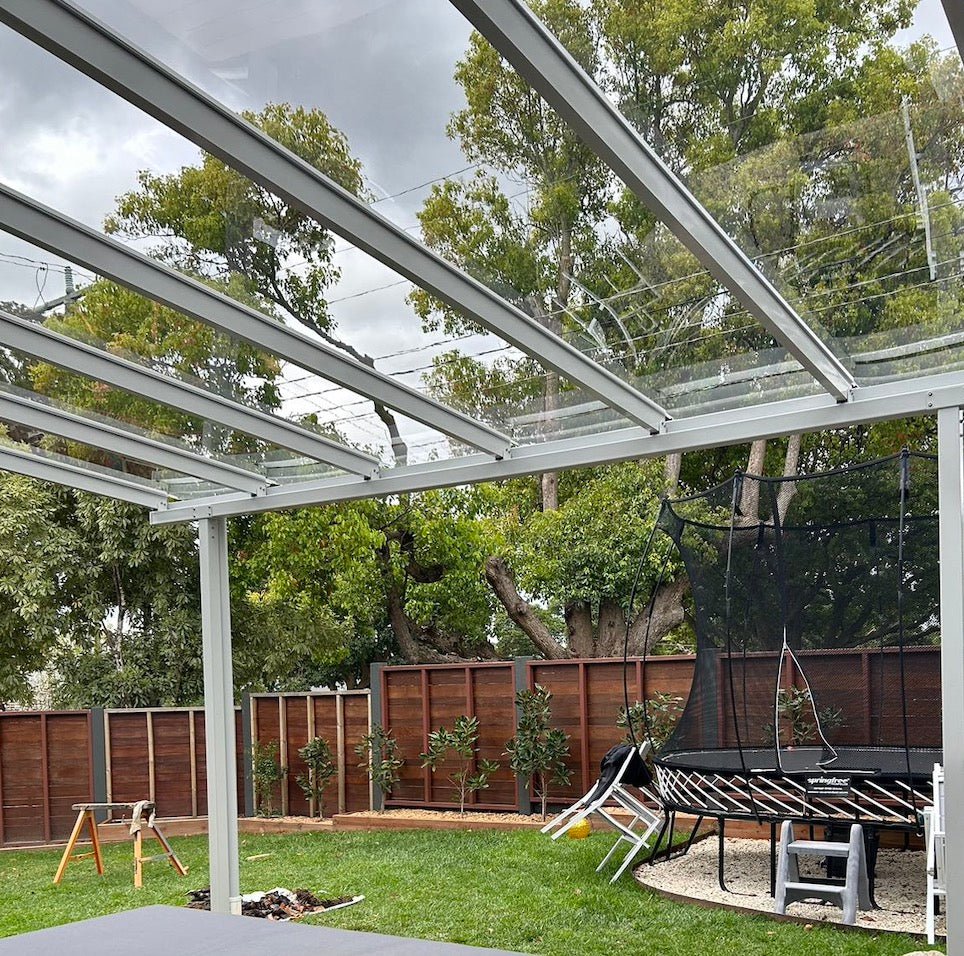
🔹 Polycarbonate Roofs — Light & UV Blocking
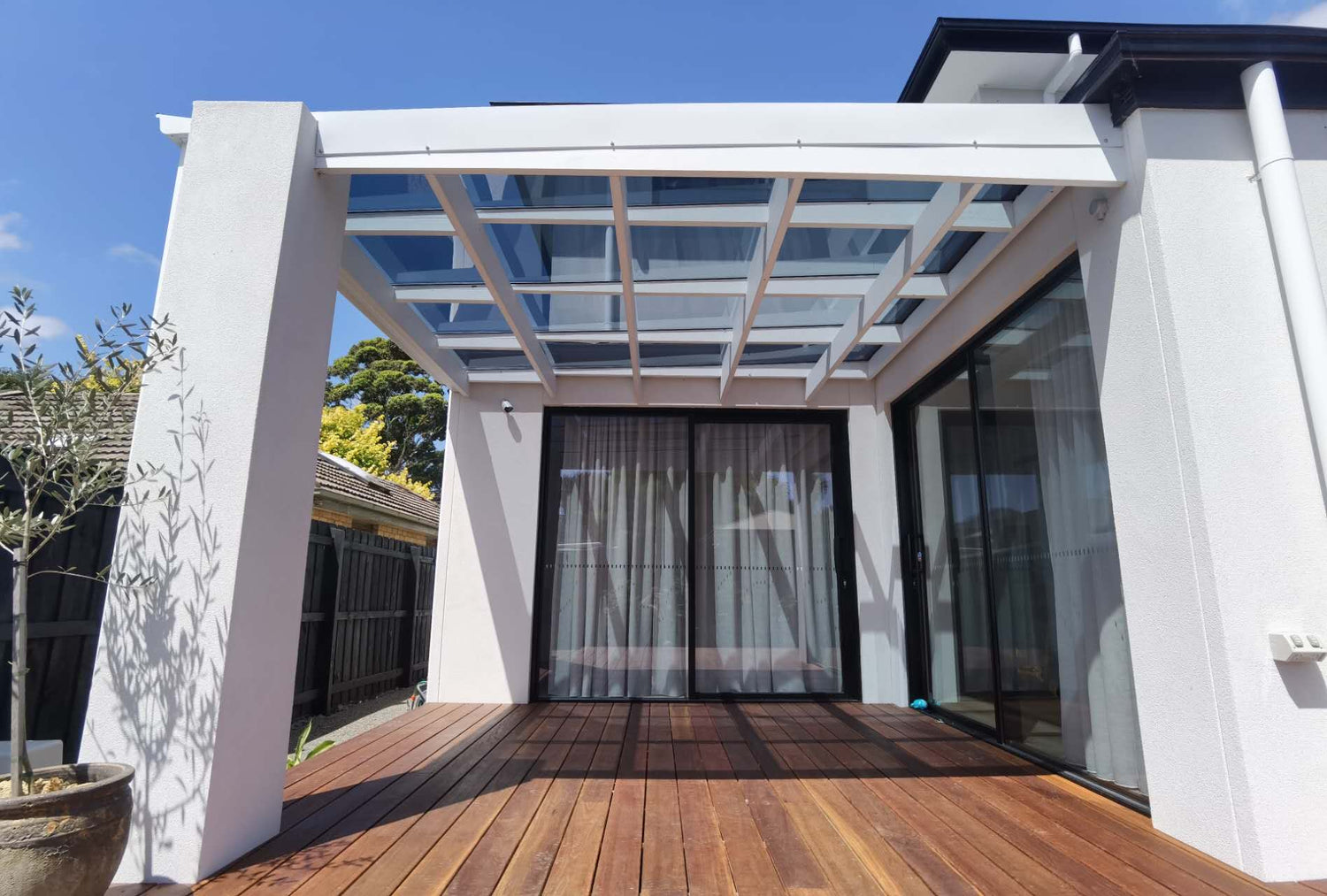
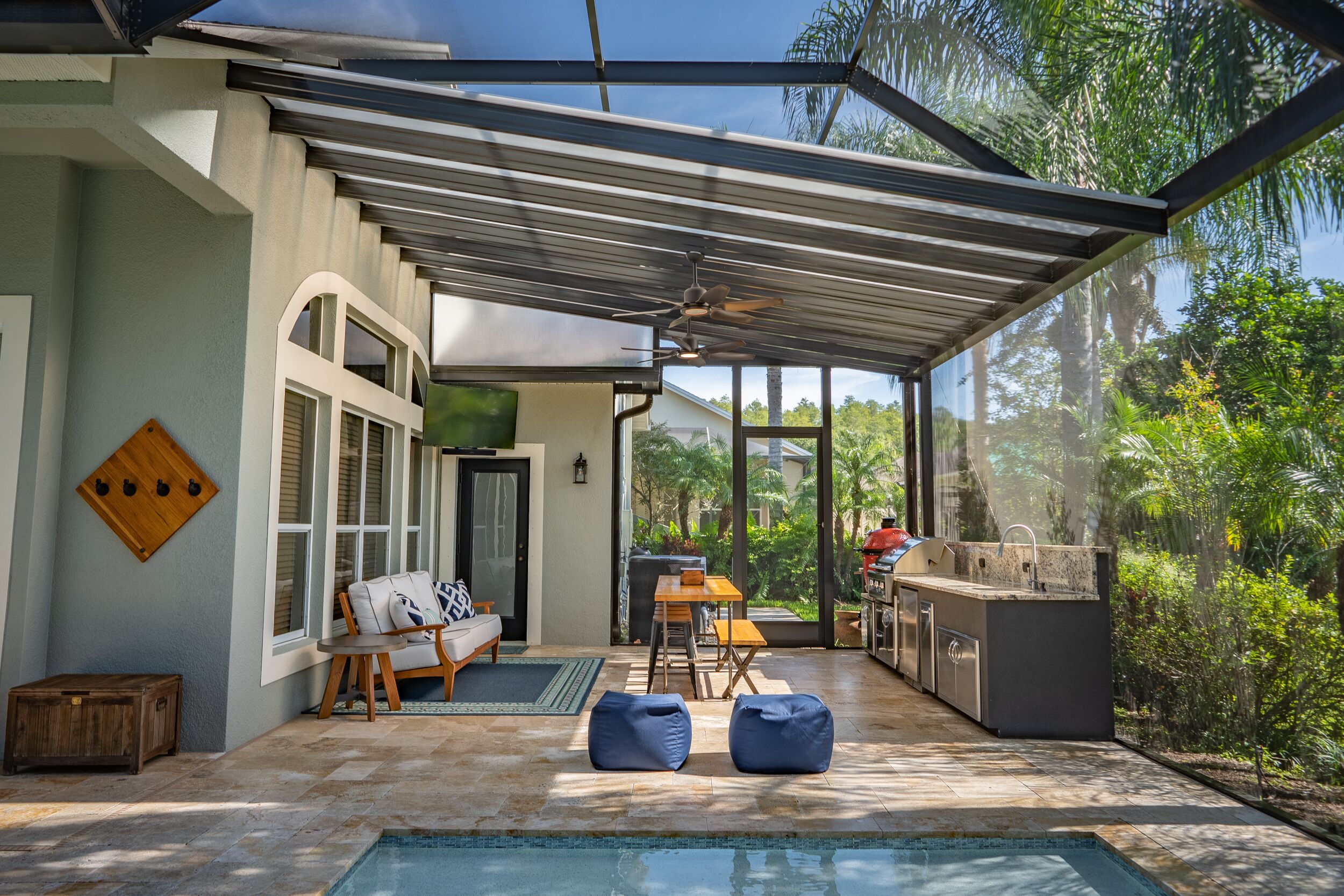
Translucent polycarbonate panels block harmful UV while letting light through.
Pros
-
Blocks UV radiation
-
Light transmittance keeps the space bright
-
Lower cost
Cons
-
Can trap heat if airflow is limited
-
May require shading screens for added cooling
Best for
-
Areas where a balance of light and shade is desired
Best Pergola Materials for Hot Weather
Material choice matters as much as roof type.
| Material | Heat Performance | UV Resistance | Maintenance | Best For |
|---|---|---|---|---|
| Powder-coated Aluminium | ⭐⭐⭐⭐⭐ Excellent | ⭐⭐⭐⭐⭐ Excellent | ⭐⭐⭐⭐ Very Low | Hot, coastal, urban climates |
| Timber | ⭐⭐⭐ Moderate | ⭐⭐☆☆ Needs Sealing | ⭐⭐⭐★ High | Natural aesthetic, less intense sun |
| Vinyl / PVC | ⭐⭐⭐ Moderate | ⭐⭐⭐★ Good | ⭐⭐⭐☆ Low | Budget shade with low upkeep |
Why aluminium excels in hot climates
-
Reflective surfaces reduce heat absorption
-
No warping, rotting, or shrinkage in the sun
-
Low maintenance and long lifespan
At PureSolid, aluminium is often the preferred choice in climates such as Adelaide, Perth, Canberra, and coastal regions with intense sun exposure.
Pergola Cooling Strategies (Beyond Roof & Material)
Simply choosing the right roof isn’t enough. These strategies improve outdoor comfort in hot weather:
1. Add Shade Screens
Roll-down or fixed screens block low-angle sun in mornings/evenings.
2. Encourage Cross-Breeze
Orient pergola openings to prevailing winds to promote airflow.
3. Incorporate Outdoor Fans
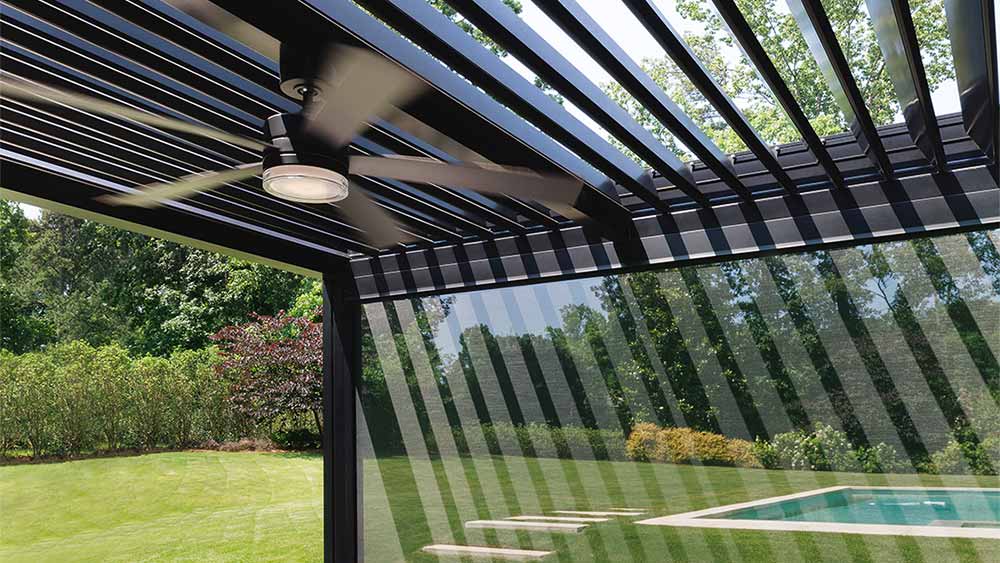
Ceiling fans increase air movement on hot days.
4. Use Light Colours
Light-coloured pergola finishes reflect UV and reduce heat absorption.
Pergola Roof Comparison: Hot Climate Focus
| Feature | Louvered Roof | Flat Roof | Polycarbonate Roof |
|---|---|---|---|
| Sun Control | ⭐⭐⭐⭐⭐ Adjustable | ⭐⭐⭐⭐ Fixed | ⭐⭐⭐ Light + Shade |
| Heat Management | ⭐⭐⭐⭐⭐ Excellent | ⭐⭐⭐⭐ Good | ⭐⭐⭐ Moderate |
| Airflow | ⭐⭐⭐⭐ High | ⭐⭐ Limited | ⭐⭐ Moderate |
| UV Protection | ⭐⭐⭐⭐ High | ⭐⭐⭐⭐ High | ⭐⭐⭐⭐ High |
| Best Application | Year-round comfort | Consistent shade | Balanced light & shade |
Frequently Asked Questions
Which pergola roof is coolest in summer?
Louvred roofs offer the most control for heat management by allowing airflow and adjustable shade.
Do polycarbonate roofs get hot?
They can if the airflow is limited. Pairing with side screens or building orientation improves comfort.
Is aluminium better than timber for hot climates?
Yes — aluminium reflects heat, resists UV damage, and requires far less maintenance in intense sun.
Can fans and screens make a big difference?
Absolutely. Cross-breeze and shade screens improve comfort significantly in hot weather.
Final Thoughts: Comfort Matters as Much as Style
In hot climates, a pergola should be judged not just by its look, but by how cool and comfortable it keeps your outdoor space.
-
Louvred roofs offer the most flexibility and control
-
Flat roofs provide reliable, consistent shade
-
Polycarbonate roofs balance light and protection
-
Aluminium materials maximise heat resilience and longevity
Choosing the right combination creates outdoor living areas that stay enjoyable even on hot days — turning your backyard into a comfortable, usable space for family, friends, and everyday living.
At PureSolid, we always design outdoor structures with both comfort and performance in mind, so they serve you well today and for many summers to come.