Why Homeowners In South Australia Choose Us

Premium Quality
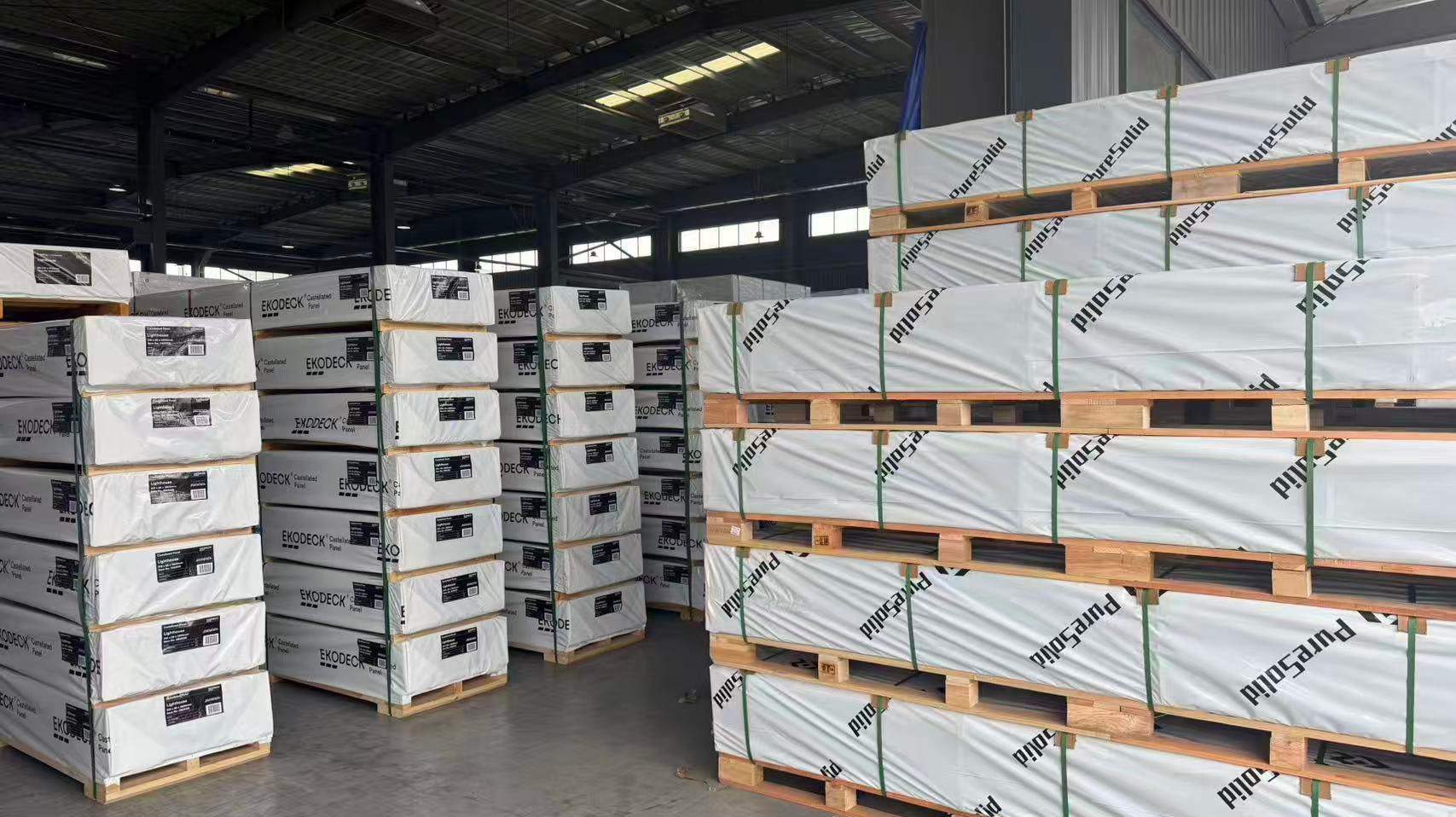
Teamed up with a leading cladding manufacturer, which produces for Bunnings / Ekodeck.

Cost Effective
Same Supplier as Bunnings, Better Prices we offer. Exclusive discounts for installers and contractors.

Direct To Customer
No dropshipping. No middleman.
Honest, efficient service.
Eco-Friendly
Natural texture with a subtle wood scent and excellent durability. 55:35 Wood Fibre–HDPE. 90% Recycled.

Accredited Installers
We provide installation services with accredited installers to further reduce overall project cost.

Fast SA Shipping
Delivered within 2 business days across South Australia.
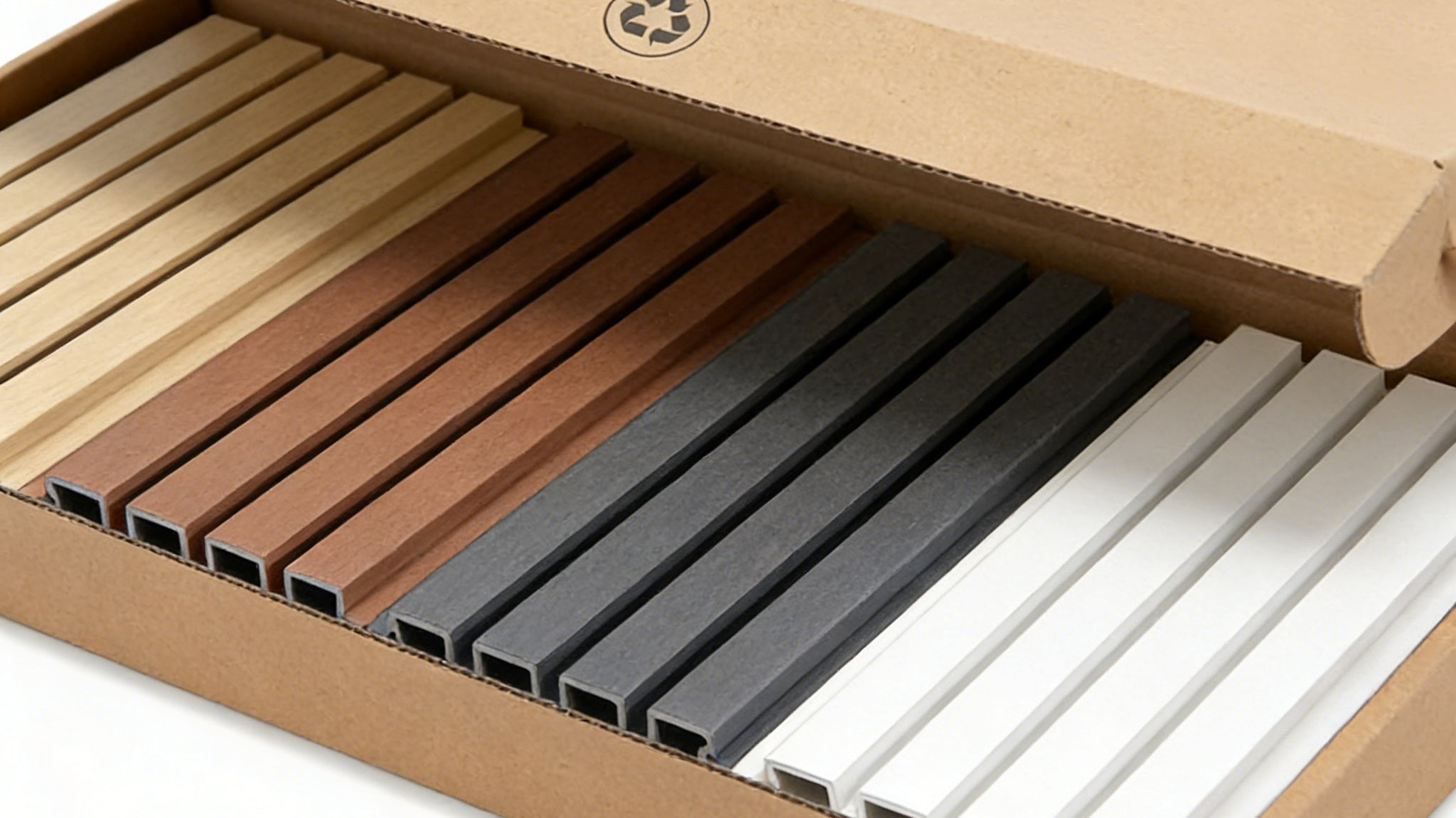
Choose Your Colour & Profile
Product Specifications
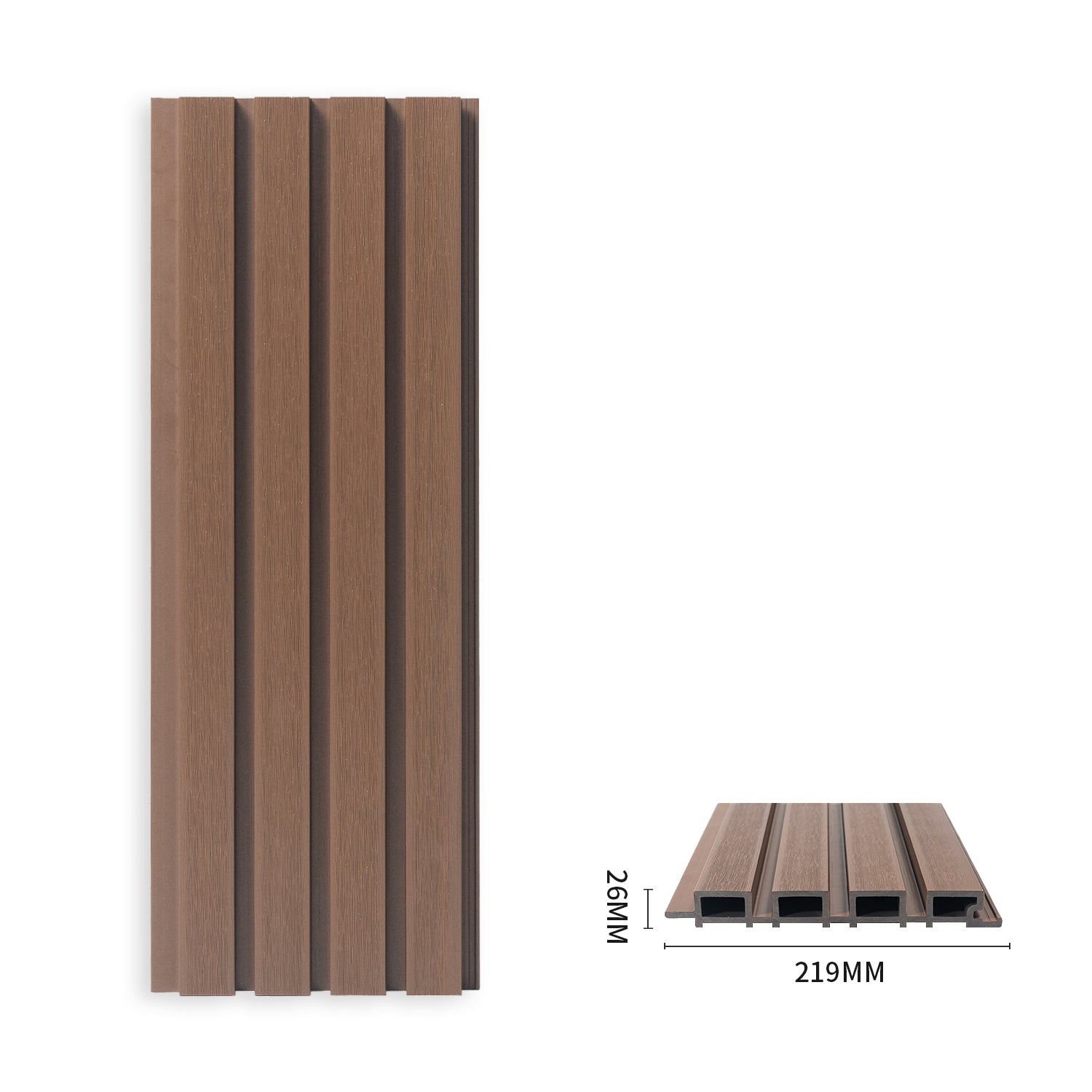
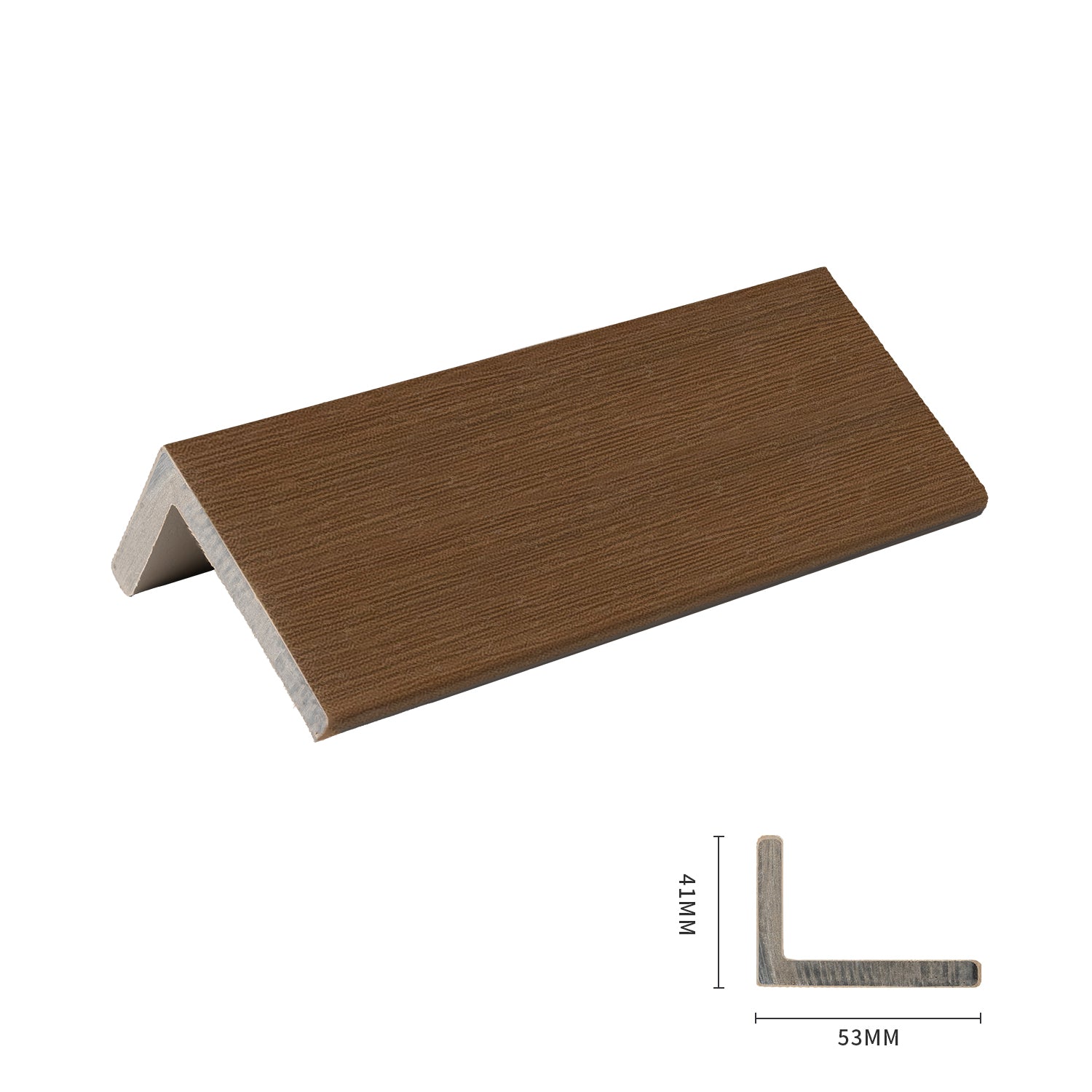
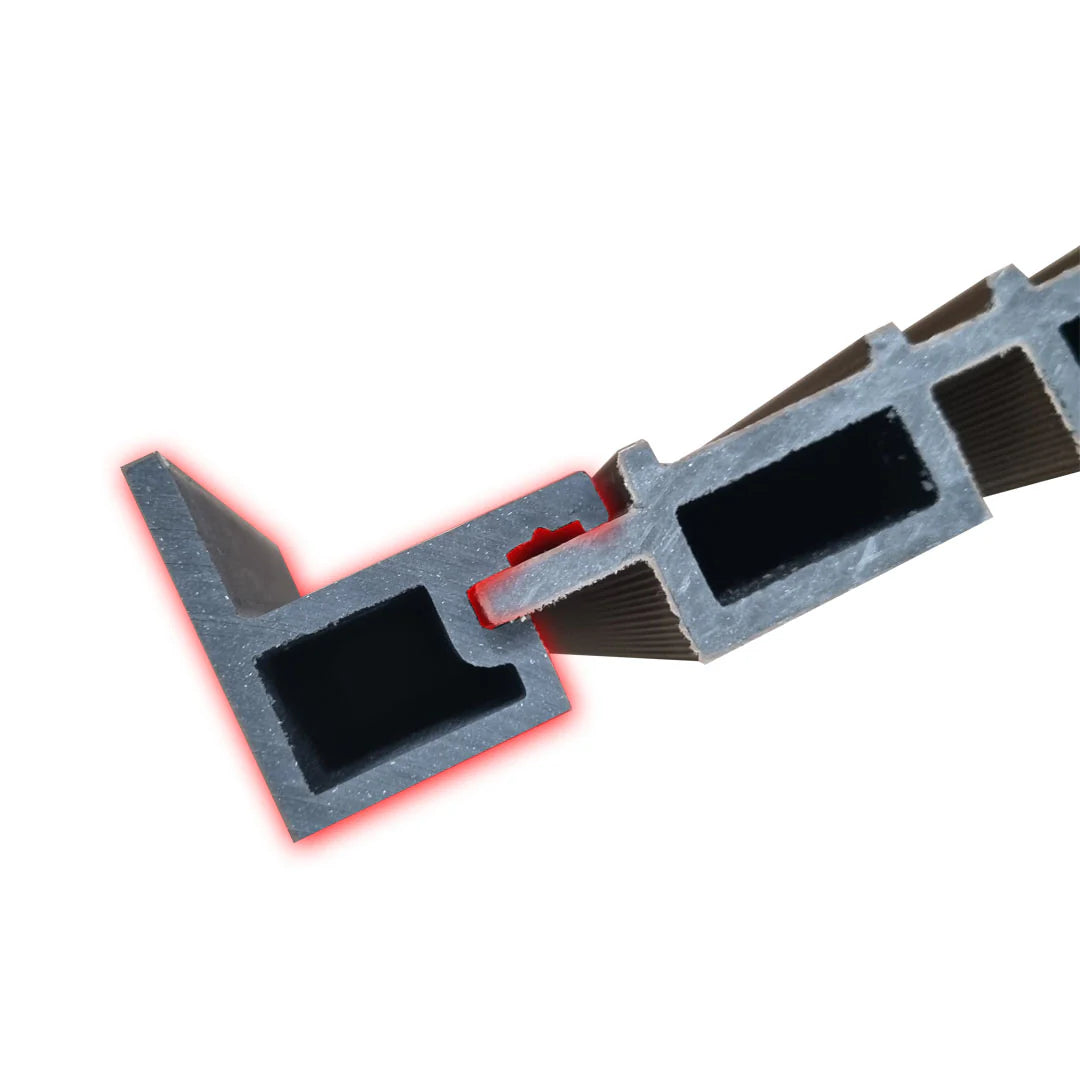
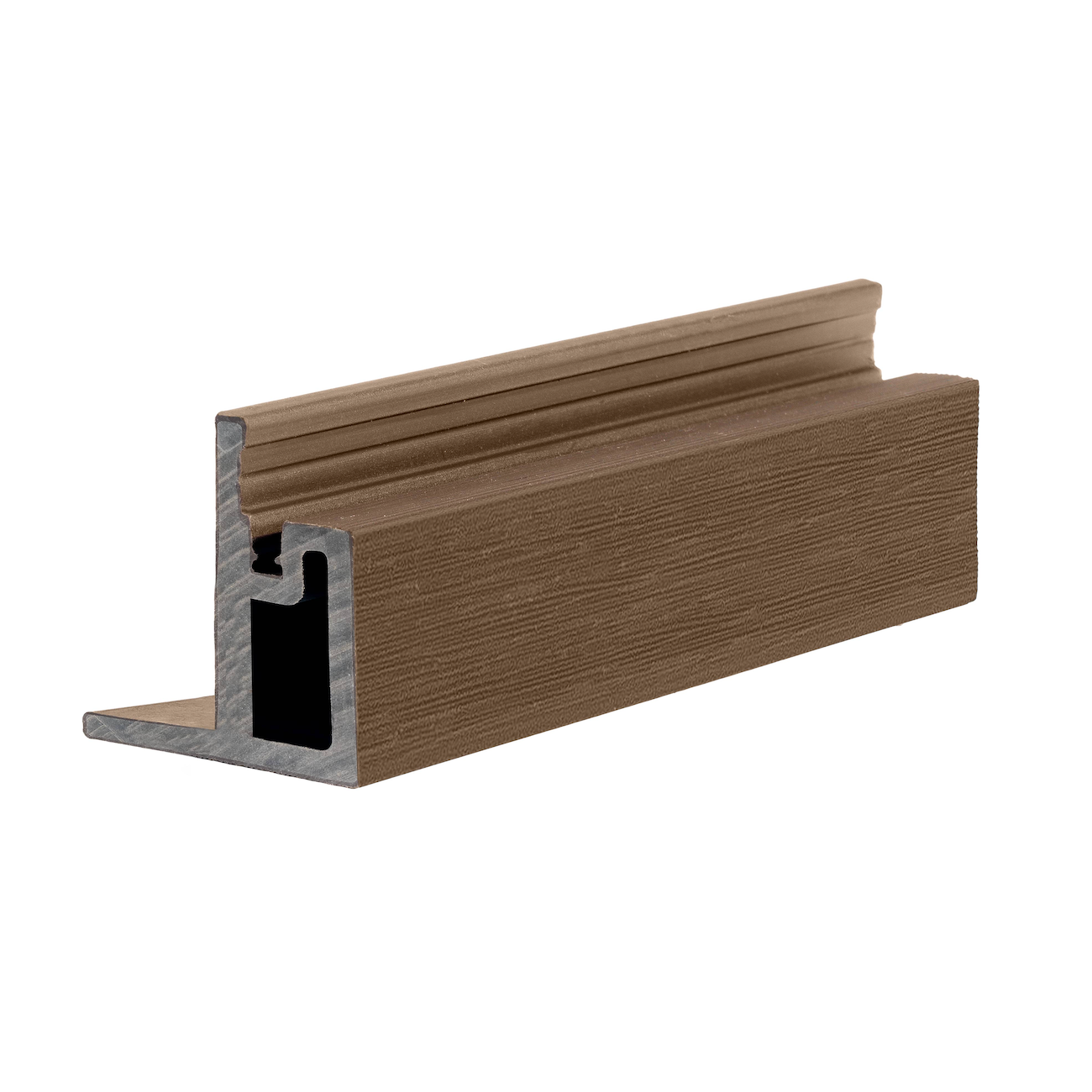
26mm * 219mm
2.9m / 3.6m in length
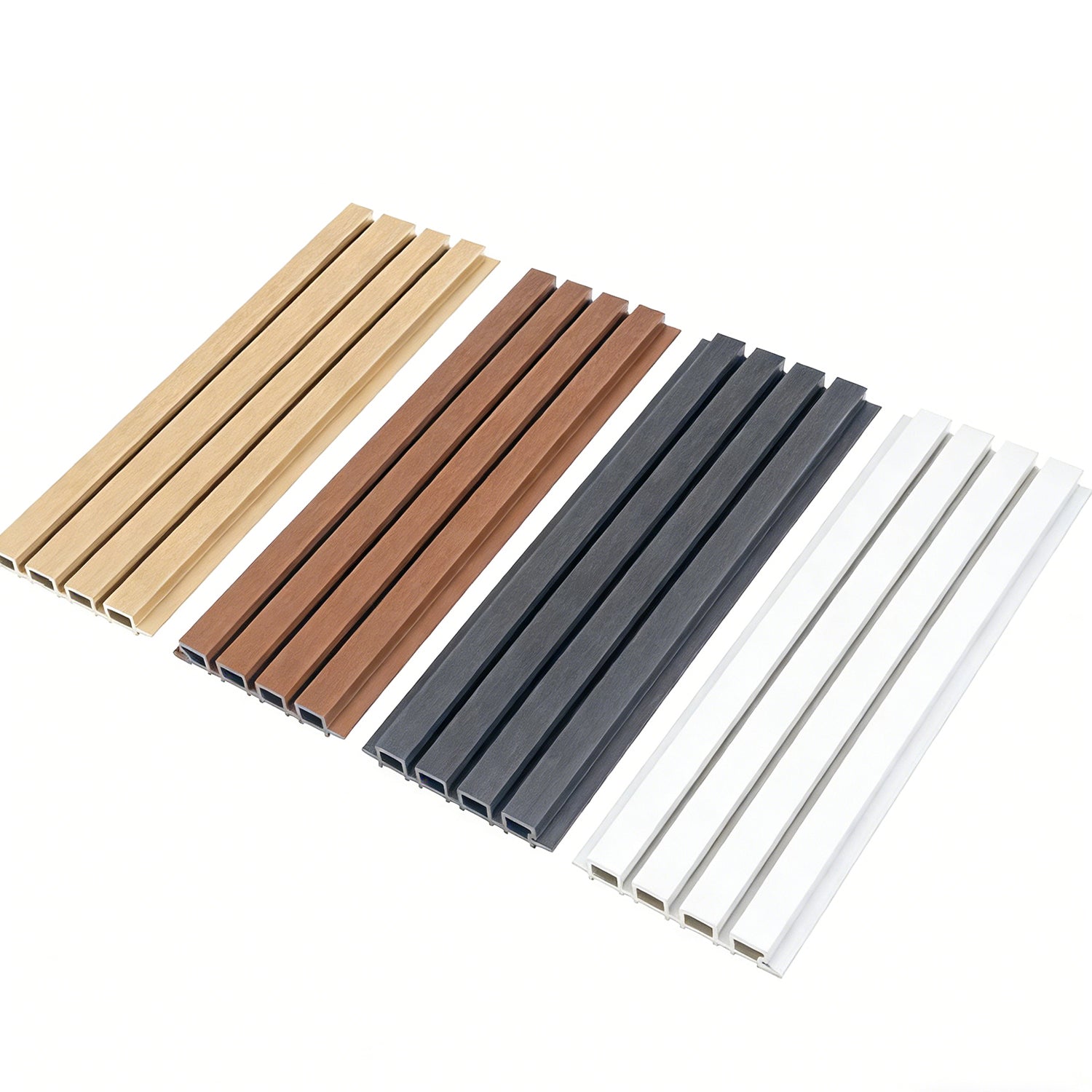
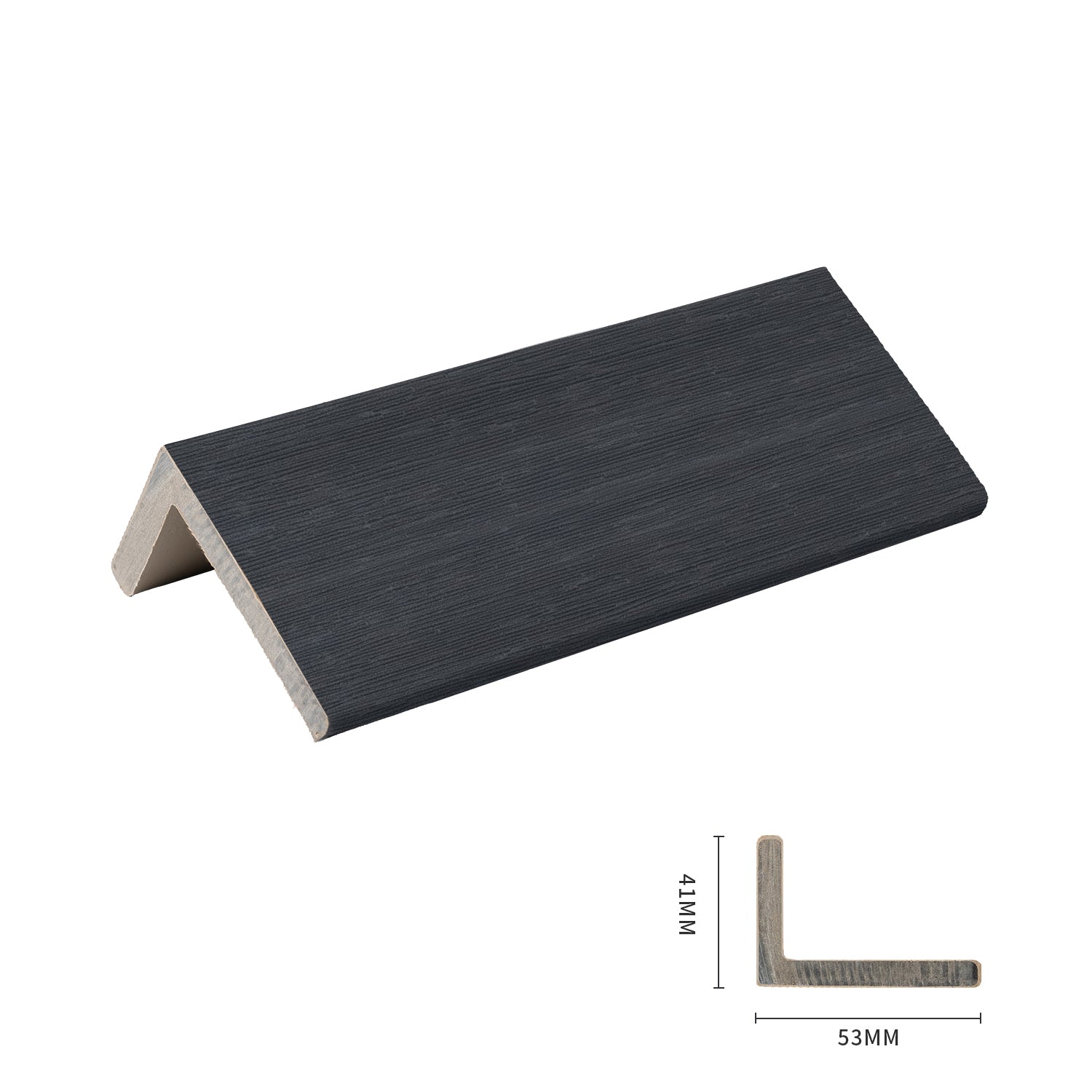
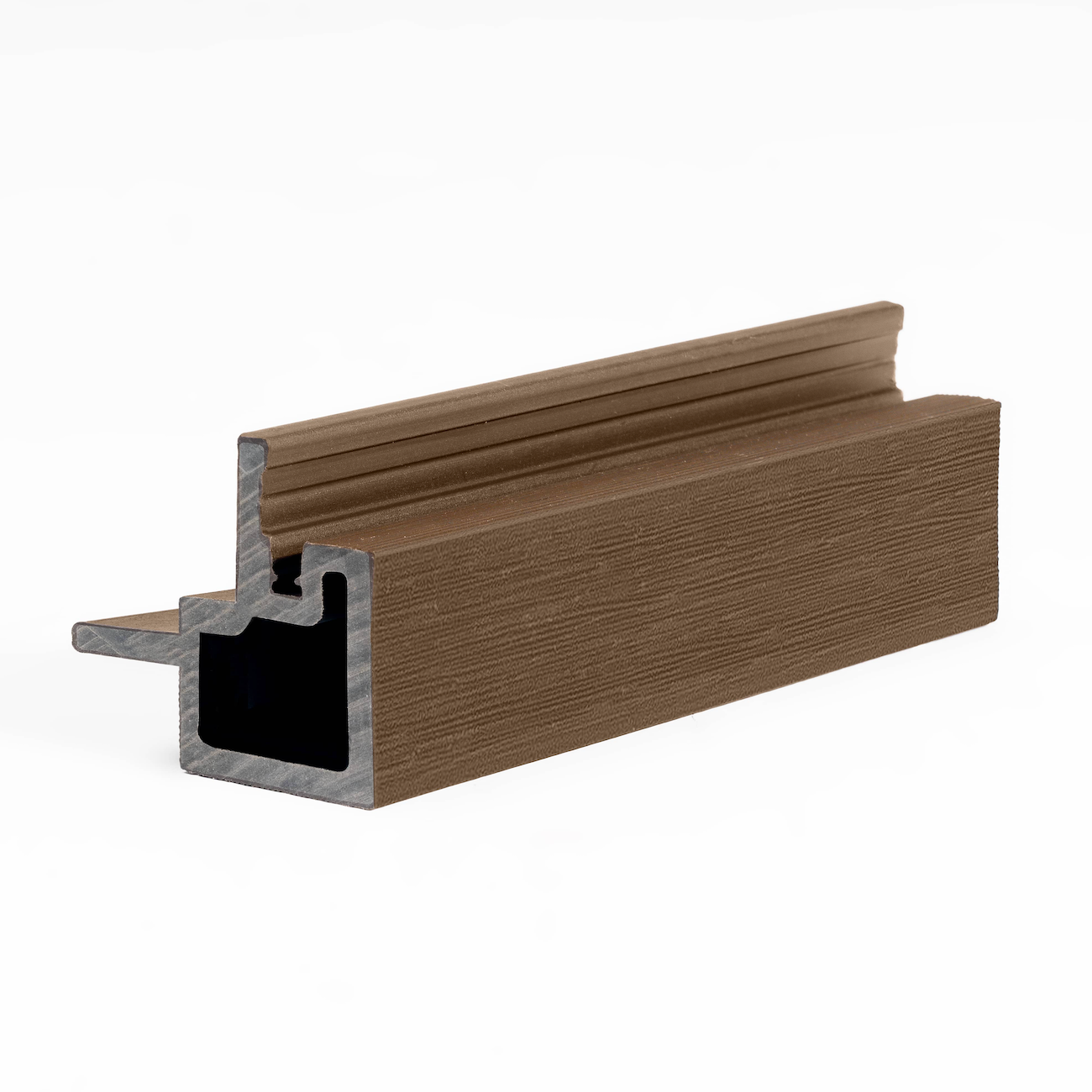
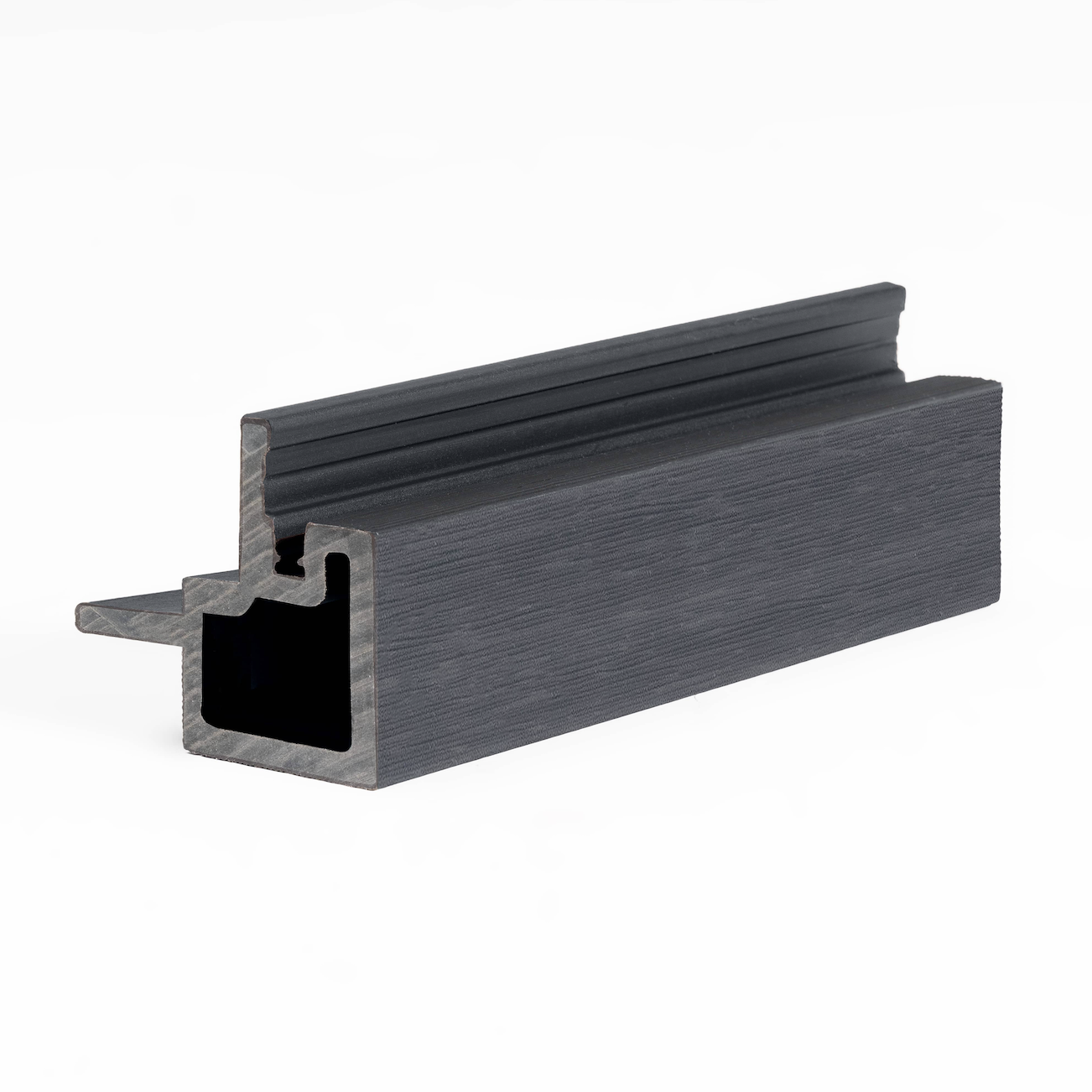
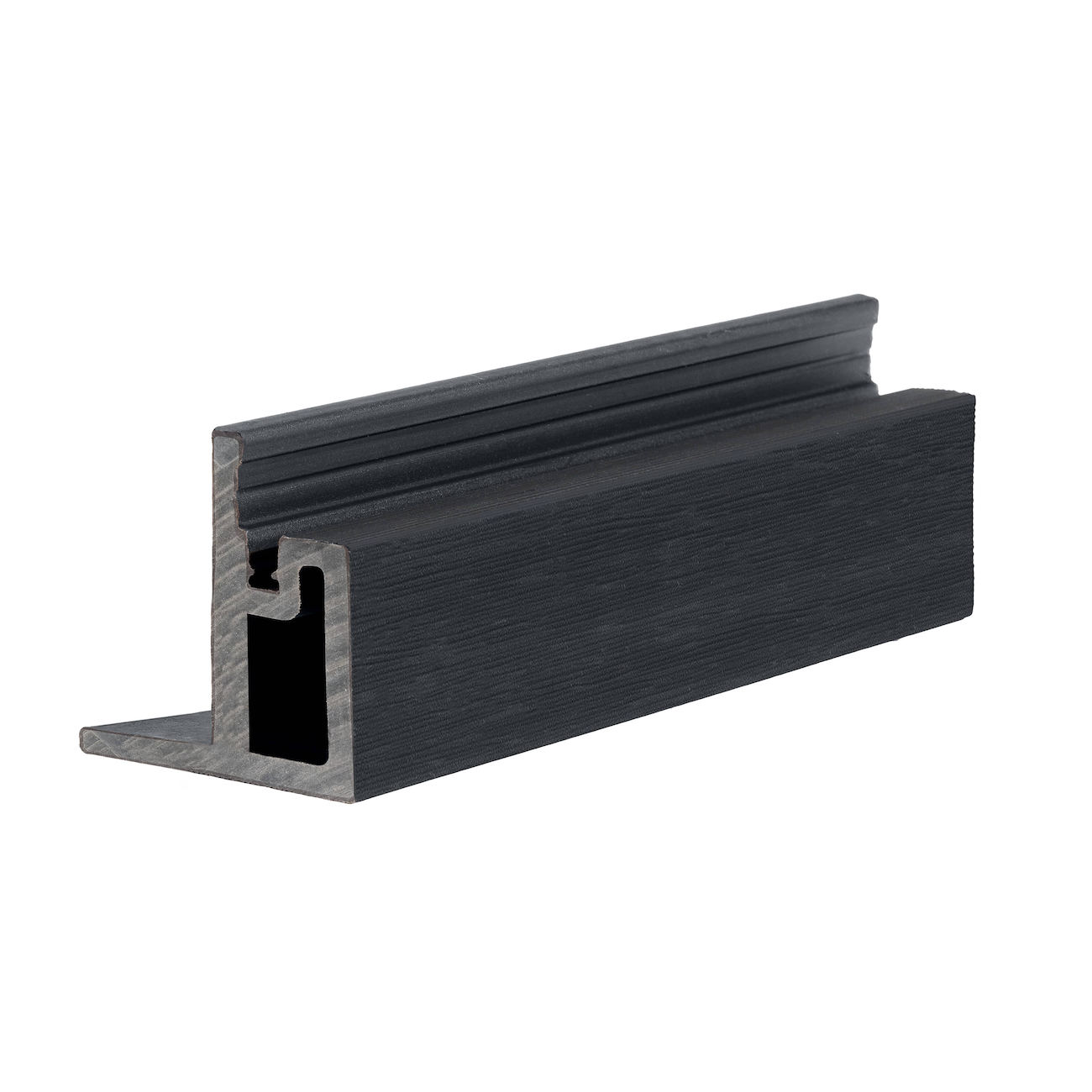
Natural Color Choices
High-Quality FiberWood Composite
Striking Aesthetic
Everything You Need — In One Place


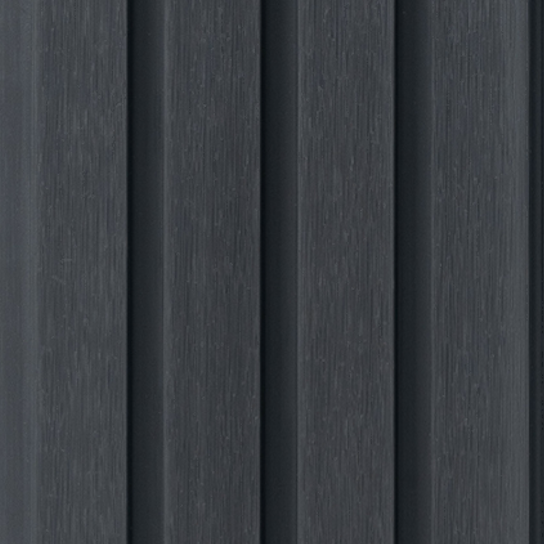
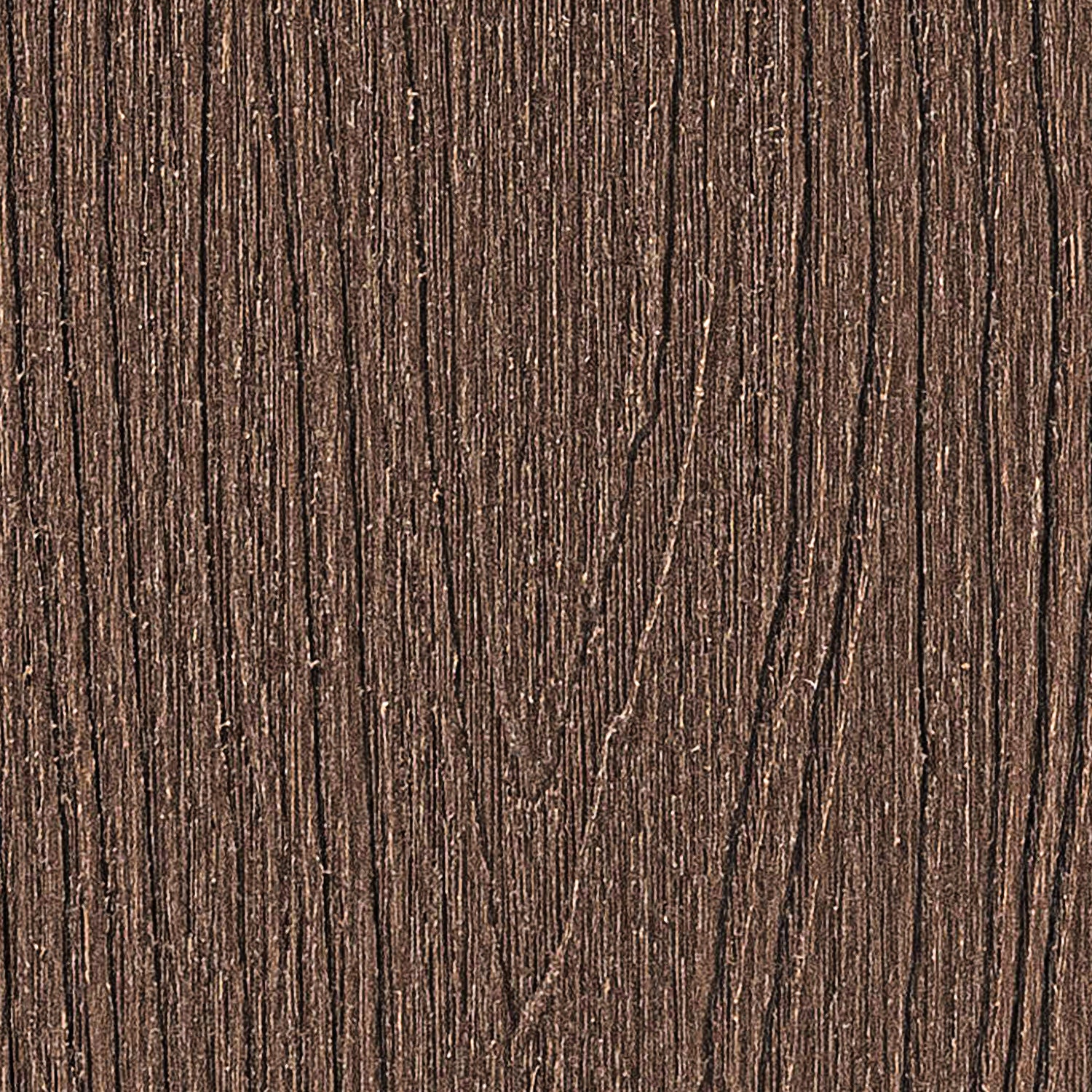

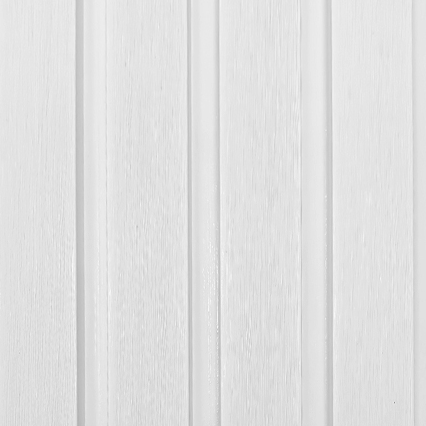


Why Choose Composite Cladding?
Composite cladding offers a modern solution to the common problems faced with traditional timber. It delivers the natural look of wood with far less maintenance.
Durability in all weather conditions
Engineered to perform in the unpredictable UK climate, making it ideal for long-term exterior applications.
No splintering, warping or rotting
Unlike timber, composite cladding won’t splinter or warp with changes in temperature and humidity.
Low-maintenance, no treatments needed
Composite cladding is resistant to moisture, mould, insect damage and UV exposure. Say goodbye to annual staining, sealing and painting.
How to Install PureSolid Composite Cladding
Installing composite cladding is simple and efficient. With clear installation guidance, compatible fixing accessories, and expert support available when needed, you can move confidently from the first board to the final trim.
🔹Horizontal or Vertical Installation
Composite cladding boards can be installed either vertically or horizontally, depending on your design preference and the needs of your space.
🔹Step-by-Step Installation Guide
To make things easier, we offer a detailed installation guide that walks you through the full process.
🔹Installer Support & Network
We can connect you with experienced contractors through our trusted installer network.
How To Care For Composite Cladding
Composite cladding blends recycled wood fibres with high-performance plastic polymers, creating a durable alternative to traditional timber that is easy to care for.
Easy to clean cladding
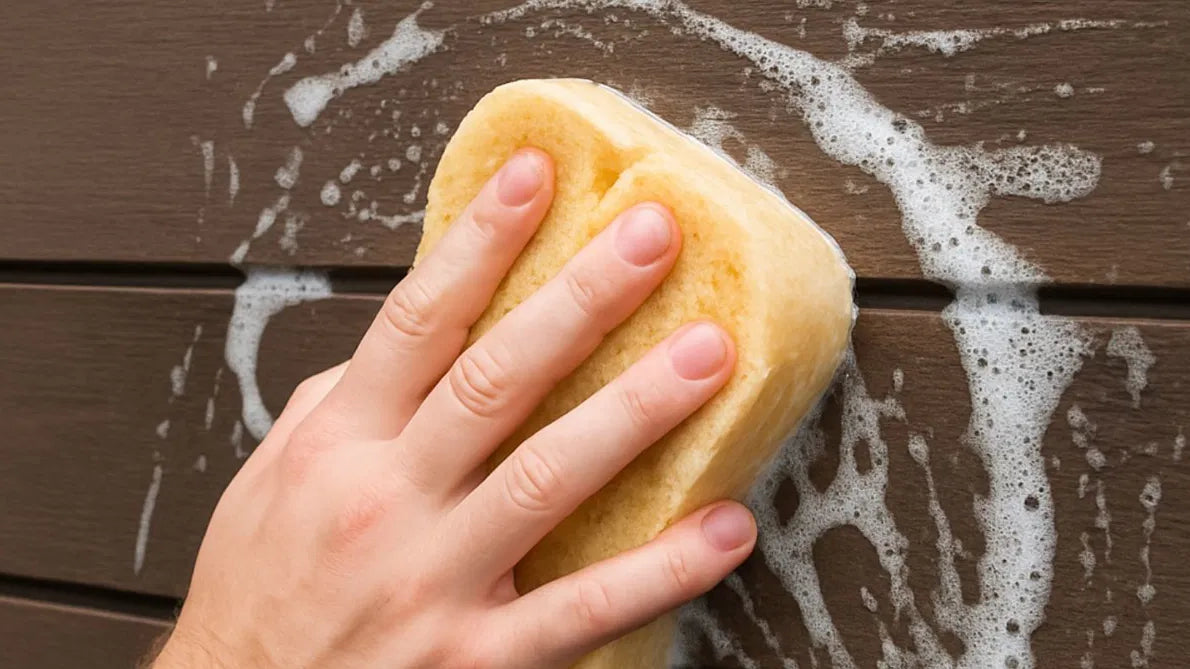
Composite cladding only needs occasional cleaning with warm water and mild detergent - no pressure washers or specialist products required.
No sanding, staining or painting
The colour is built into the board, there's no need to treat or re-finish the surface, even after years of weather exposure.

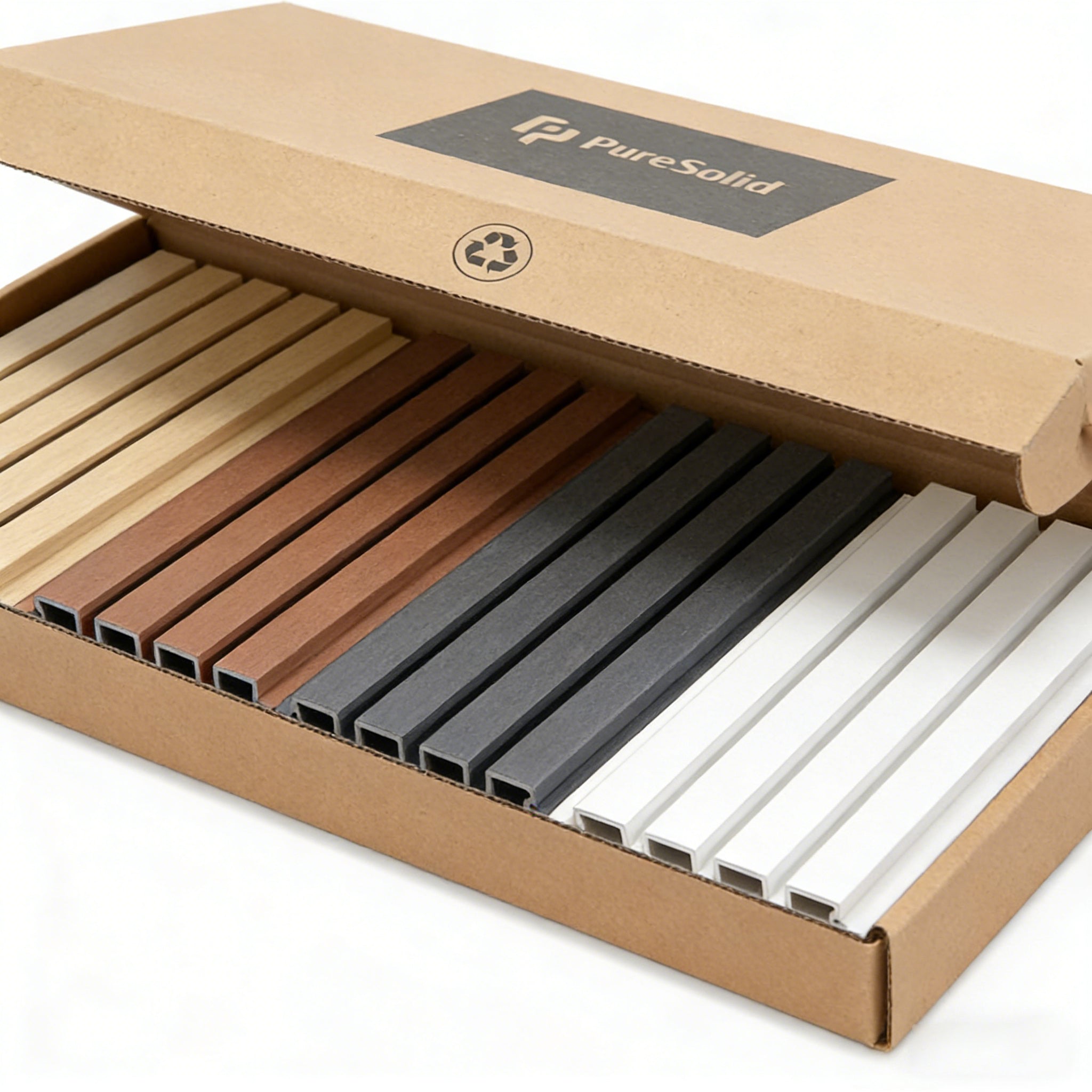
Having trouble deciding?
See it in your space. Feel confident in your choice.
PureSolid sample packs help you visualise the final result before you commit.
Let's See What Our Customers Say
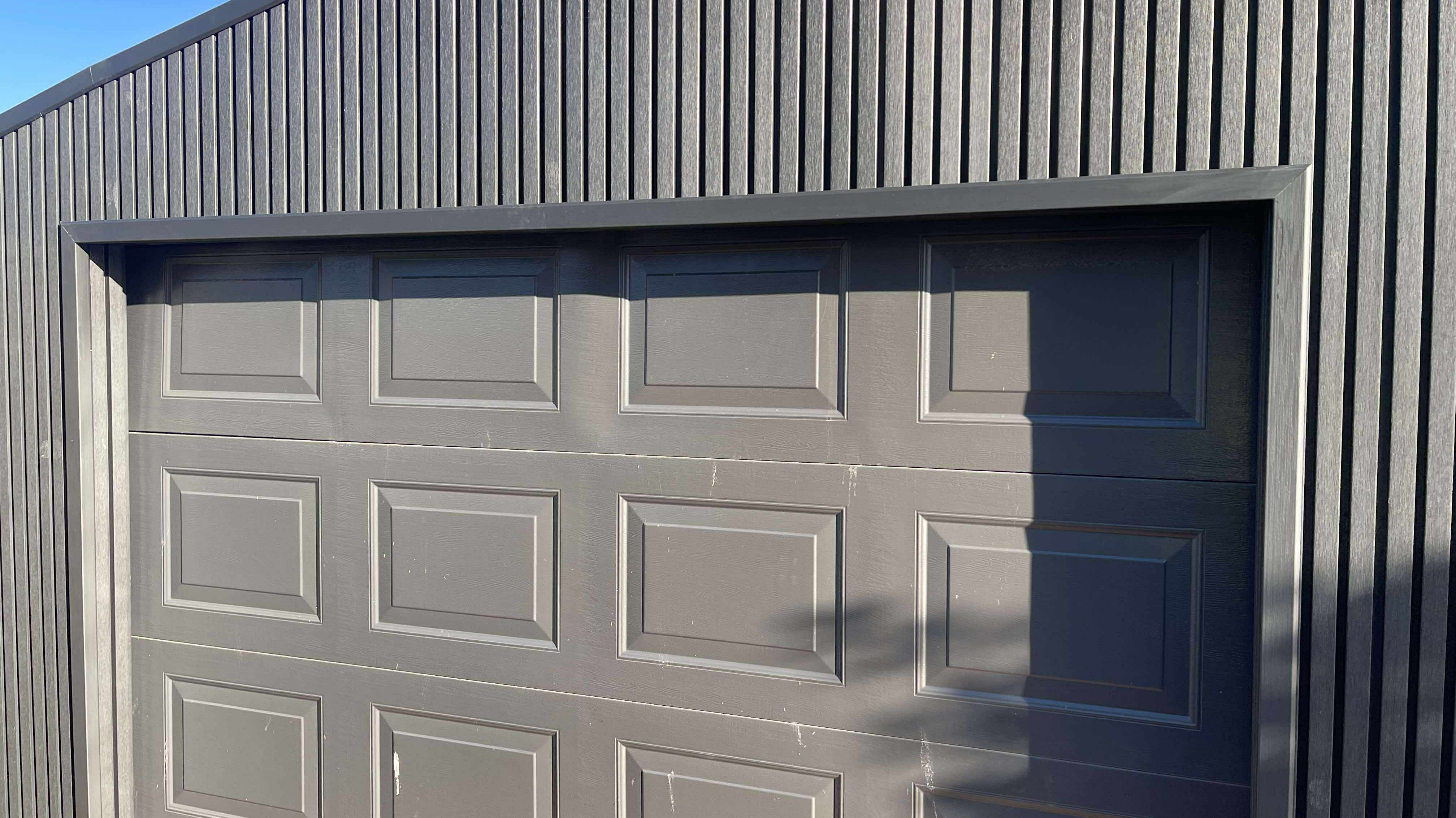
It completely changed the look of our house. We installed the charcoal castellated panels on our garage façade, and the transformation was instant. The vertical shadow lines look clean and modern, and the quality feels solid. It honestly gives our home a much more architectural finish.
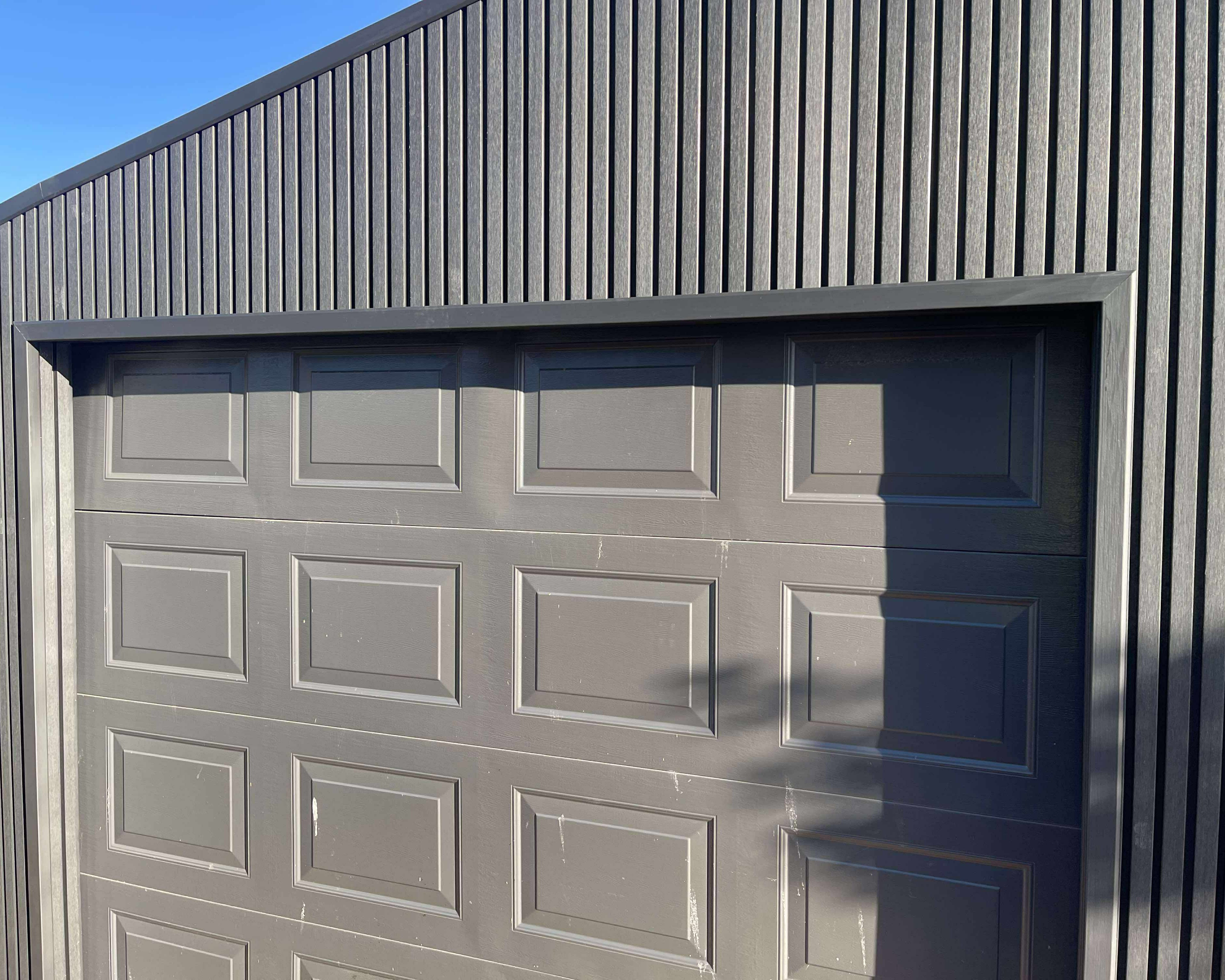
We originally considered similar panels from Bunnings, but PureSolid offered the same production quality at a lower price and with local support. The colour consistency and trims made installation much easier.
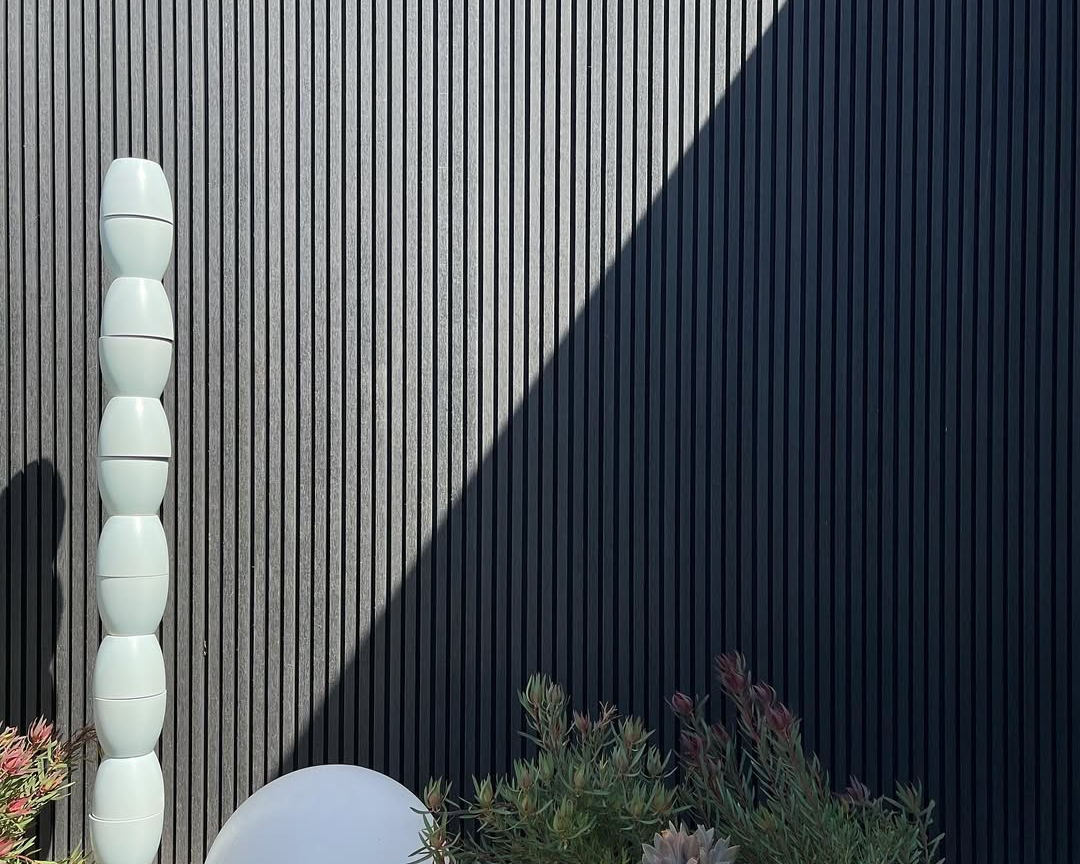
We wanted something that looked like timber but didn’t require ongoing maintenance. These panels delivered exactly that. They’ve handled the summer heat really well so far.
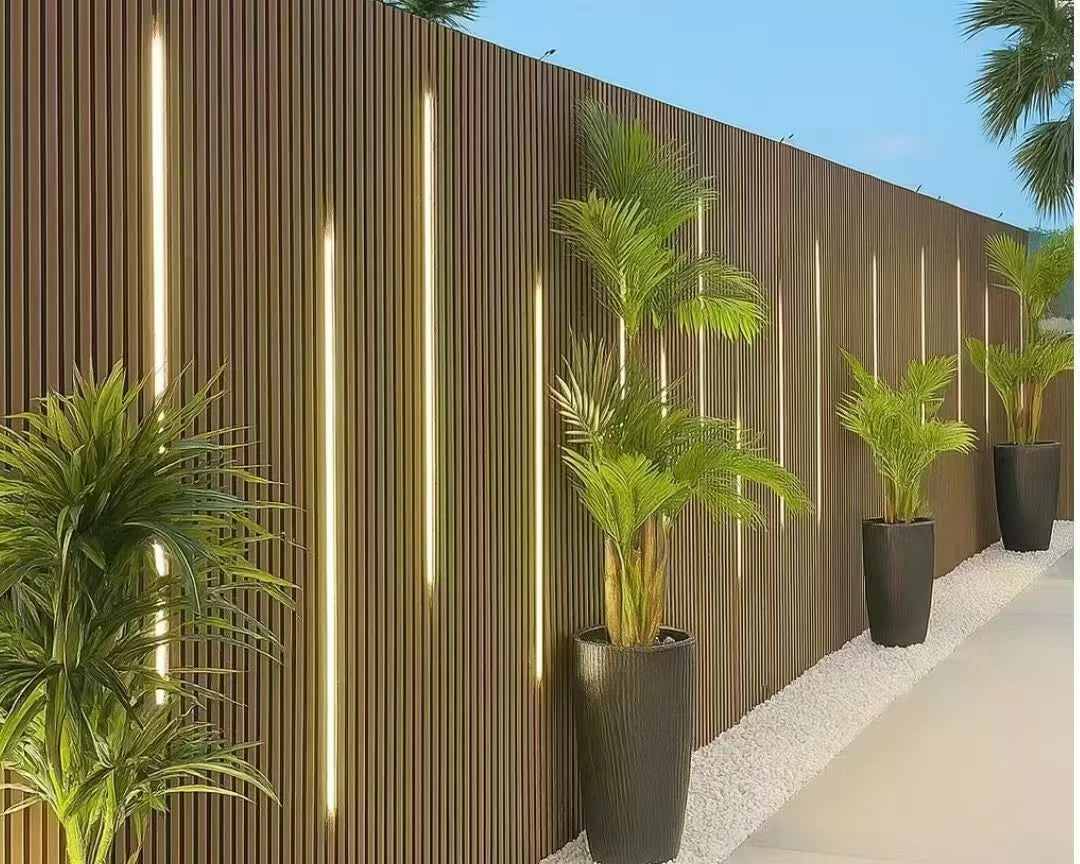
As a builder, colour consistency and stock availability matter. PureSolid’s castellated panels are consistent across batches, and matching trims make detailing on-site much easier.
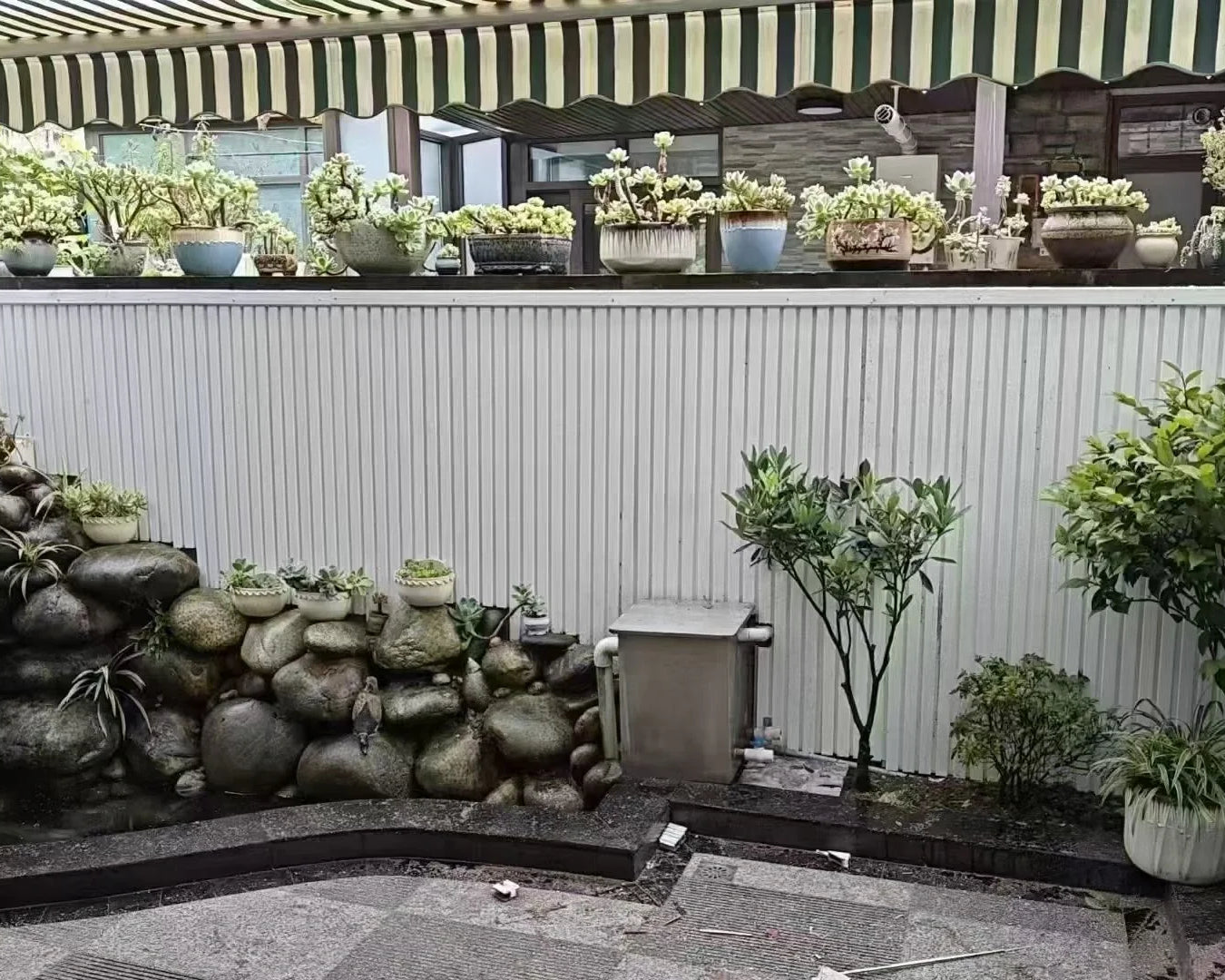
We used the panels for a shopfront upgrade. The vertical lines add depth and a high-end feel without blowing the renovation budget.
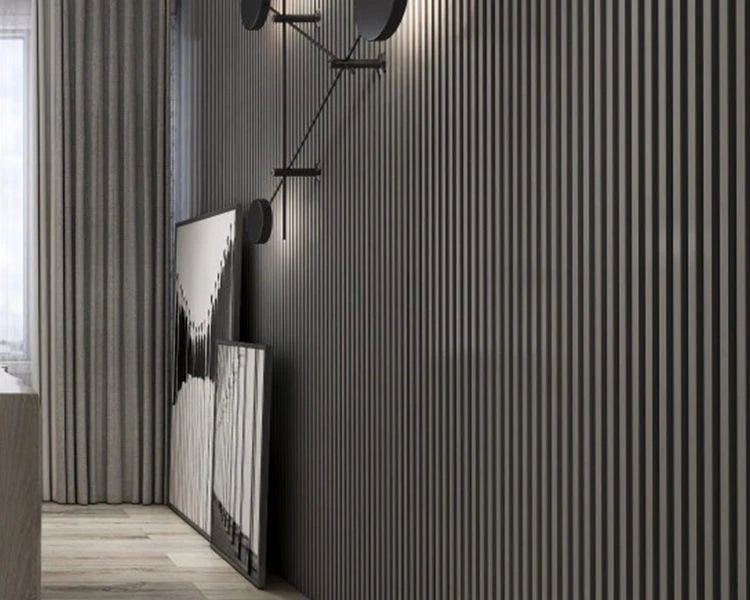
Cladding Gallery
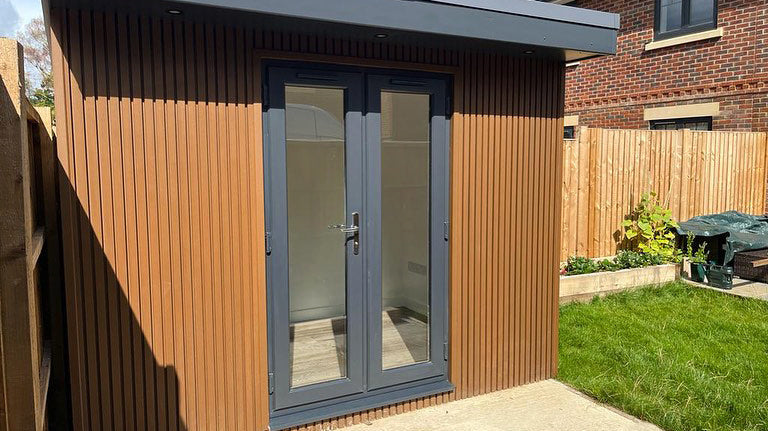
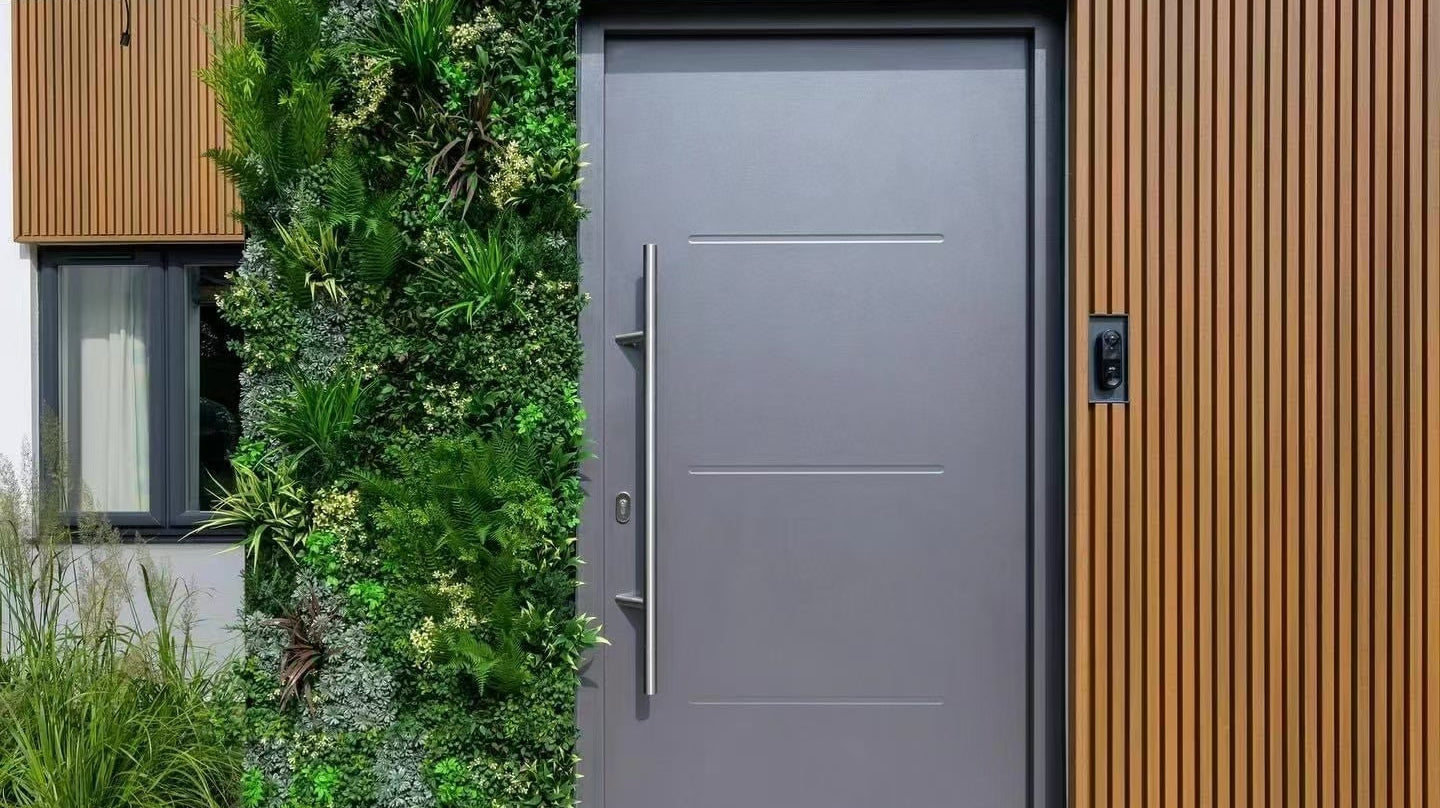
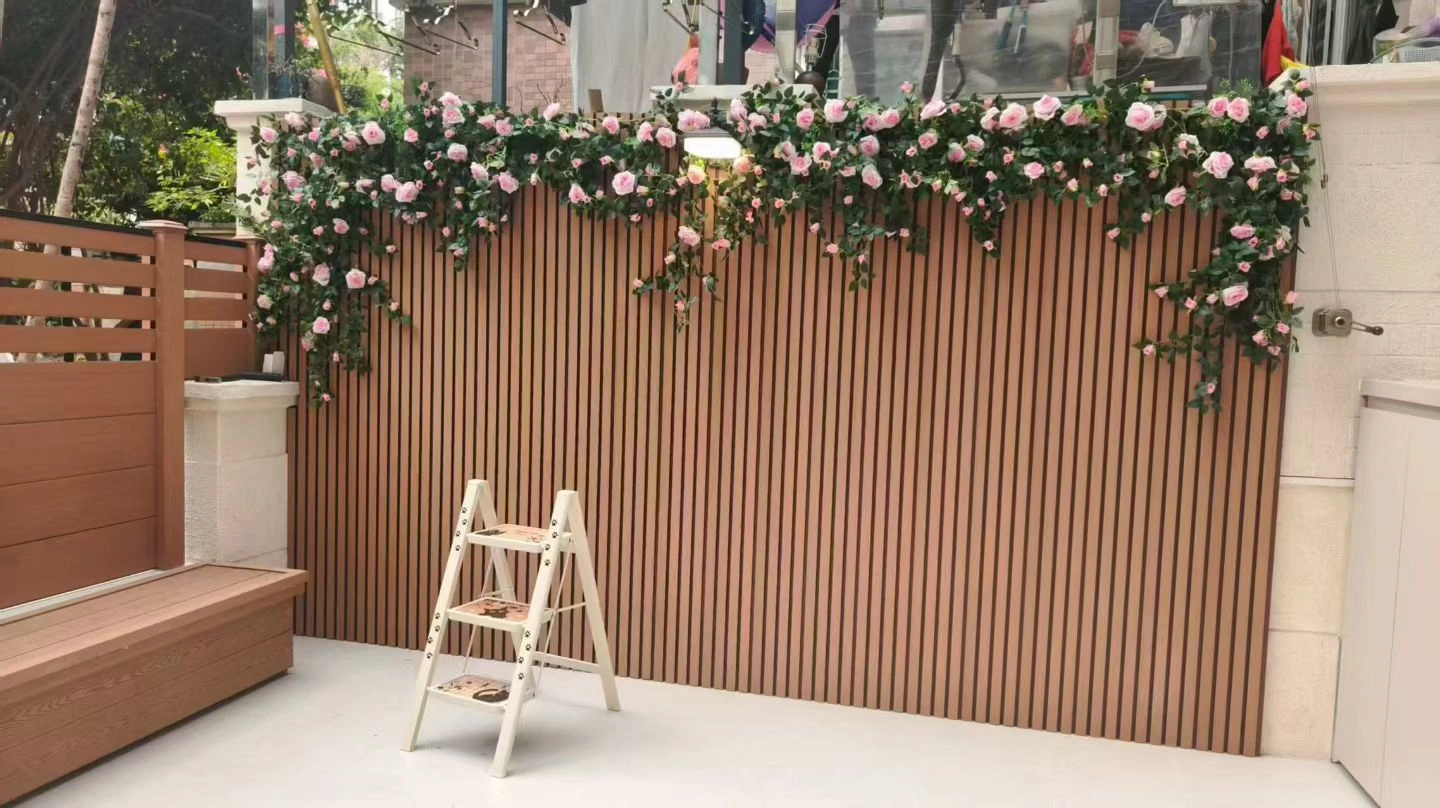
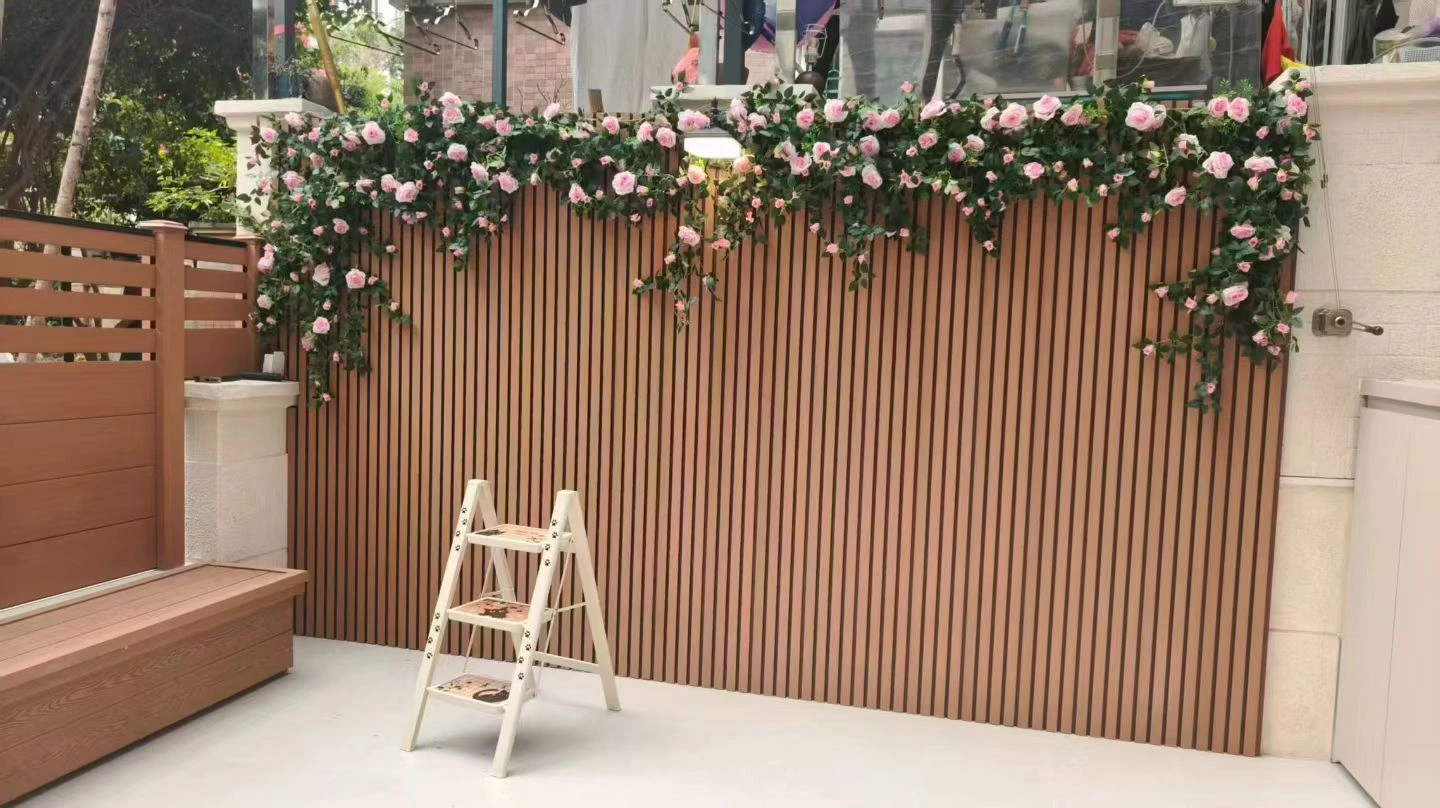
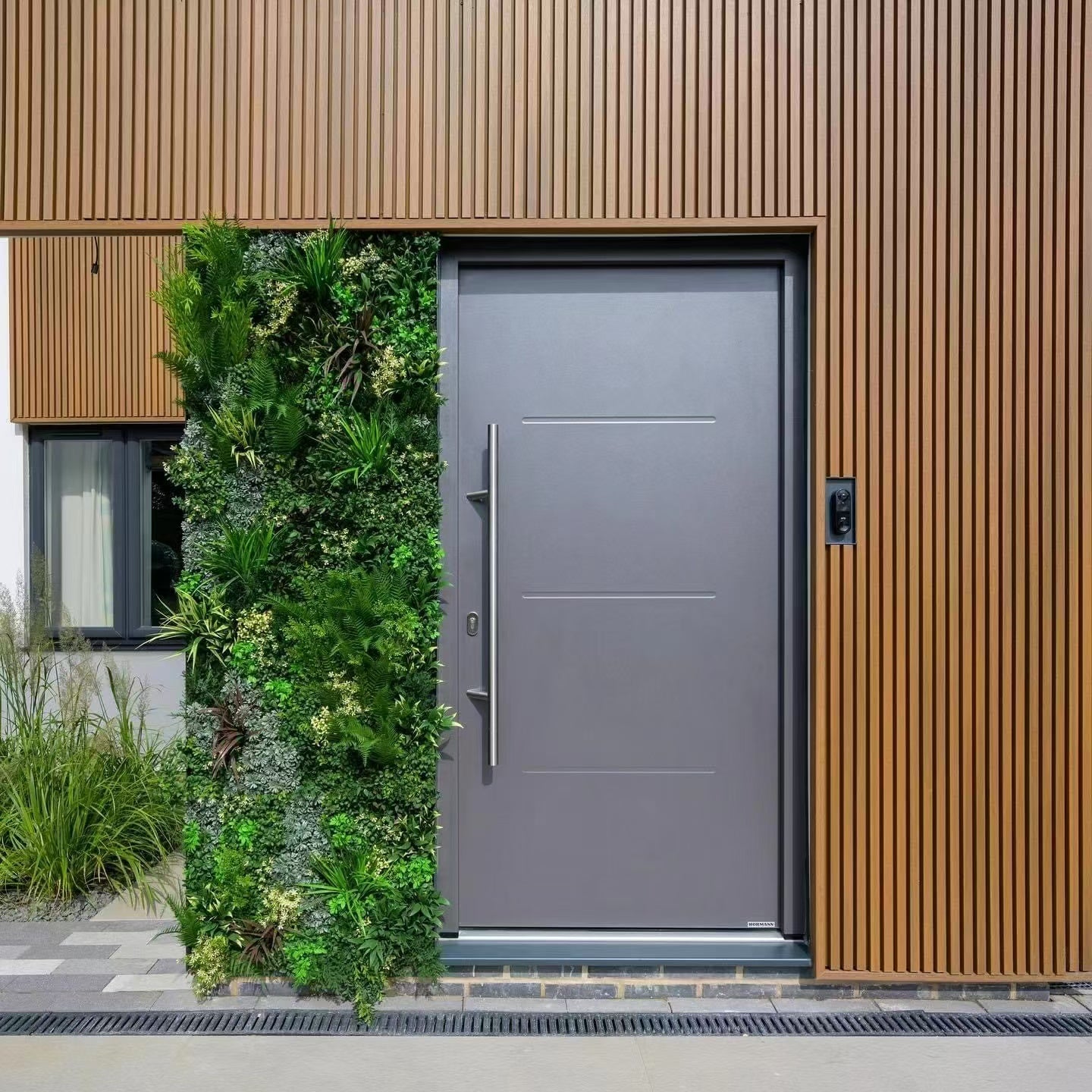
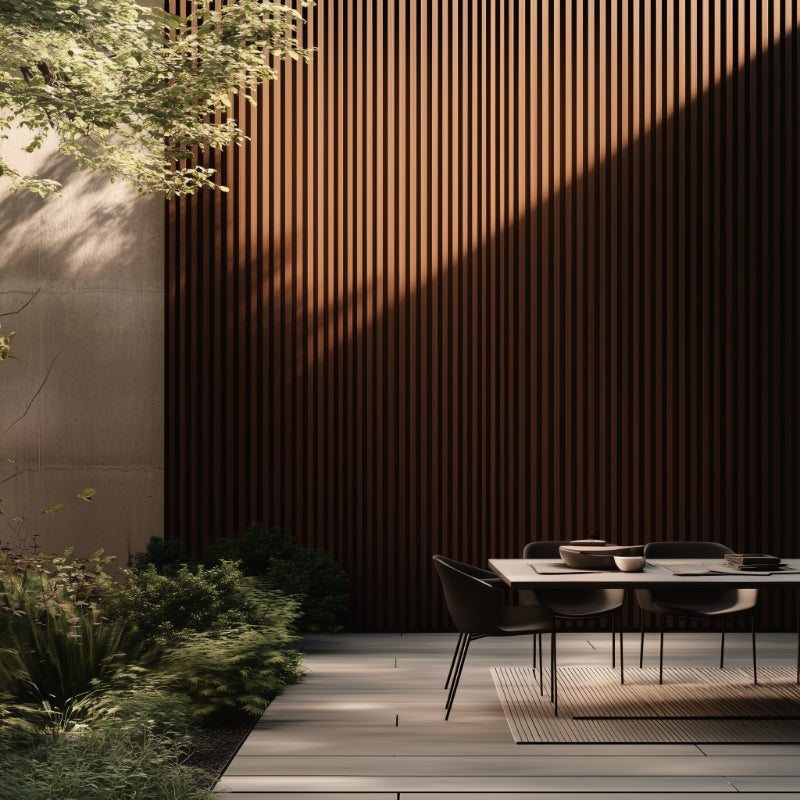
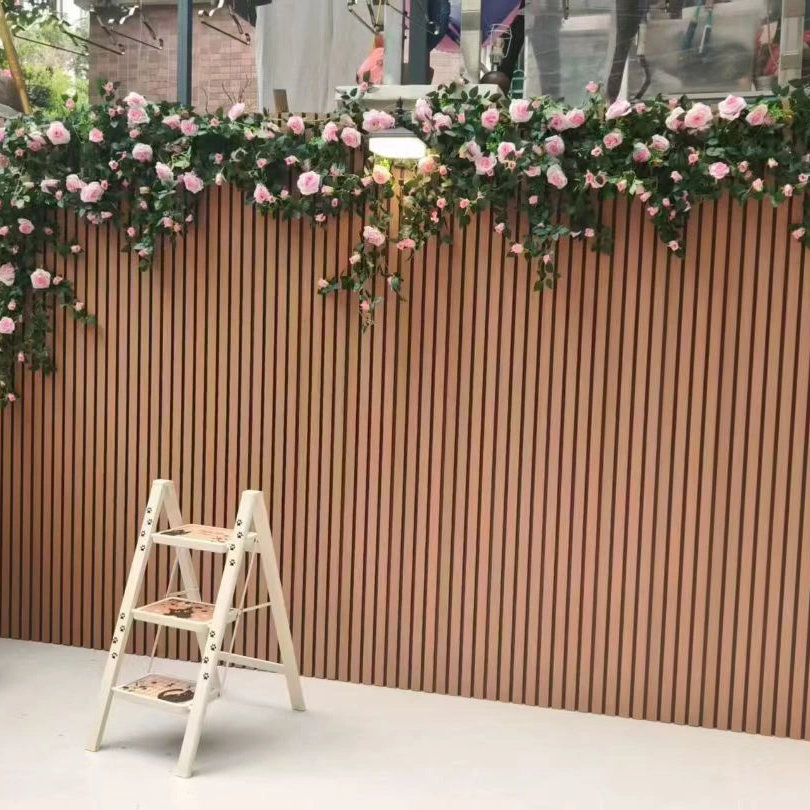
Transform your wall into a three-dimensional profile that plays with light and shadow.
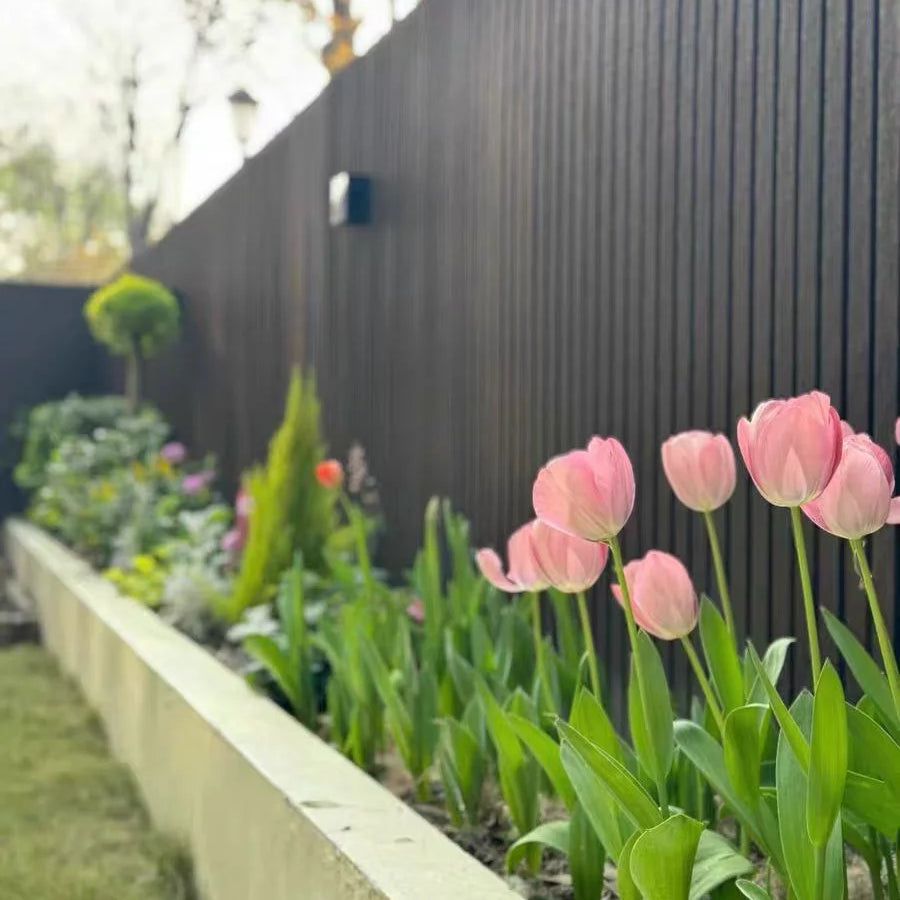
Technical Information

Composite Cladding FAQs
What is Composite Cladding?
Composite cladding is a modern, durable, and low-maintenance alternative to traditional timber cladding. It is made from a combination of recycled wood fibers and plastic, providing the natural look of wood while eliminating the need for regular maintenance and reducing susceptibility to weather damage.
Does composite cladding fade?
Yes, composite cladding can undergo slight fading during the first few months after installation as it adjusts to sunlight and weather. The colour stabilises after this initial weathering period, usually between 8-16 weeks.
- UV exposure: Sunlight can cause lightening of pigments during the initial settling period.
- Tannin leaching: Natural tannins from the wood fibres wash out of uncapped boards in the first few weeks, sometimes leaving temporary marks before the colour stabilises.
- Environmental conditions: Boards in sunnier, south-facing areas may experience weathering at an accelerated rate compared to shaded areas. They will eventually stabilise to the same colour.
This early weathering phase is normal for most composite products, particularly for uncapped composite cladding boards, and usually stabilises within the first few months.
Capped composite cladding is engineered with UV inhibitors and fade-resistant pigments to maintain its colour for decades, featuring an extended warranty.
Is composite cladding waterproof?
Composite cladding is highly water-resistant but not completely waterproof. Made from a blend of recycled wood fibres and high-performance plastics, it’s designed to withstand rain, humidity, and moisture without rotting, warping, or splitting, making it a low-maintenance cladding option for a wide range of environments.
Composite cladding is not a watertight barrier on its own; it should always be installed as part of a properly designed façade system with suitable weatherproofing behind it.
Why Composite Cladding Performs Well in Wet Conditions:
- Low water absorption - The plastic content prevents the boards from absorbing significant moisture, unlike natural timber.
- Capped protection - Capped composite boards feature a polymer shell that further shields against water ingress and surface staining.
- Dimensional stability - The cladding boards resist swelling and shrinkage caused by changing moisture levels.
Installation Considerations for Weather Resistance:
- Use suitable substructure – Aluminium or plastic wood battens, combined with appropriate ventilation and drainage, help maintain performance.
- Include a waterproof membrane – A breathable membrane behind the cladding ensures the wall structure remains protected from driving rain.
- Follow installer guidelines – Correct spacing and fixing prevent trapped moisture and prolong the life of the façade.
When installed as part of a well-designed rainscreen system, eco-friendly composite cladding provides long-lasting moisture resistance, making it a smart choice for both residential homes and large-scale commercial projects.
How do I cut composite cladding?
Composite cladding can be cut using many of the same tools as traditional timber. Clean, precise cuts will ensure a high-quality finish and smooth cladding installation.
Recommended Tools:
- Mitre saw or Circular saw: Fitted with a sharp, fine-tooth, carbide-tipped blade for smooth cuts.
- Jigsaw: Useful for detailed or curved cuts, especially around windows, vents, or other obstacles.
- Work support: Use a stable workbench or sawhorses to keep boards steady while cutting.
Cutting Tips:
Measure twice, cut once – Accuracy ensures neat joins and reduces waste.
Cut in a well-ventilated area – Composite materials produce fine dust; cut outdoors if possible.
Use protective gear for your own safety – Wear safety glasses, gloves, and a dust mask.
Support the board fully while cutting – Prevent chipping or splintering at the ends.
Allow for expansion gaps – Follow installer guidelines to leave the correct spacing for thermal expansion.
While eco-friendly composite cladding is easy to work with, precision and preparation are key. Using the right tools and techniques not only improves the visual finish but also ensures long-term durability and compliance with warranty conditions.
How long does composite cladding last?
Composite cladding typically lasts 25 to 30 years or more, making it a durable, long-term alternative to timber and other traditional cladding materials.
The overall lifespan depends on the quality of the product, installation standards, and environmental exposure. Composite cladding is specifically engineered to withstand decades of weathering with minimal upkeep.
Why composite cladding is long-lasting:
- Moisture resistance – The combination of recycled wood fibres and high-performance plastics prevents rotting, warping, and swelling.
- UV & fade protection – Integrated pigments and UV inhibitors maintain colour stability.
- Low-maintenance performance – No need for painting, staining, or sealing. Routine cleaning is enough to keep it looking its best.
- Structural integrity – Resistant to insect damage and less prone to expansion and contraction compared to natural wood.
With up to 25-year limited residential warranty and up to 10-year commercial warranty we are confident in the quality, durability and longevity of our composite cladding.
How do I clean composite cladding?
Cleaning composite cladding is simple and requires far less effort than maintaining traditional timber. Thanks to its low-maintenance design, most surfaces only need occasional washing to keep them looking their best.
Routine Cleaning Steps:
- Remove loose debris -Use a soft brush or broom to clear away dust and leaves.
- Wash with mild soap and water -Mix warm water with a gentle detergent and apply with a soft-bristle brush or cloth, scrubbing along the grain of the board.
- Rinse thoroughly -Use a garden hose or a low-pressure washer (under 1500 psi) to remove soap residue. Avoid high-pressure nozzles too close to the surface.
Maintenance tips for longevity:
Perform an annual deep clean – Particularly in shaded or damp areas prone to algae growth.
Check drainage and ventilation – Good airflow prevents moisture build-up behind the boards.
Avoid abrasive tools – Wire brushes or scouring pads can damage the surface texture.
Avoid bleach or strong solvents - Harsh chemicals can damage the boards.
With these simple steps, composite cladding retains its colour and finish for decades, providing homeowners with a reliable, professional-grade exterior that needs minimal upkeep.
What's the best composite cladding?
The best composite cladding combines long-term durability, low maintenance, and visual appeal, while meeting the specific requirements of your project.
For most applications, capped composite cladding is considered the top choice, thanks to its advanced protective layer that enhances weather resistance, colour stability, and overall lifespan.
The best composite cladding features:
- Capped protection – A polymer shell shields the core from moisture, UV damage, and staining, ensuring the façade retains its appearance for decades.
- Fire safety considerations - Systems that meet fire or building code requirements.
- High recycled content – Premium products often use up to 90% recycled wood fibres and plastics, making them an eco-friendly cladding choice.
- Fade and stain resistance – UV inhibitors and integrated colour pigments maintain a consistent finish with minimal fading over time.
- Comprehensive warranty – Warranties of up to 25 years covering structural integrity and fade and stain protection.
- Ease of installation – Large-format boards can speed up installation due to less of them needing to be installed.
Ultimately, the best composite cladding is one that balances performance, sustainability, and your specific design aesthetic, delivering a low-maintenance, weather-resistant exterior solution suited to your project’s needs.