

Creating a comfortable outdoor living area is a priority for many Australian homeowners. When planning that space, three options are often considered: pergolas, patios, and gazebos.
While these structures may appear similar, they serve very different purposes in terms of weather protection, durability, maintenance, and lifestyle use. This guide breaks down the differences clearly, helping homeowners choose the solution that best suits their needs.

Understanding the Core Differences
Before comparing features, it helps to clarify what each structure is designed to do.
-
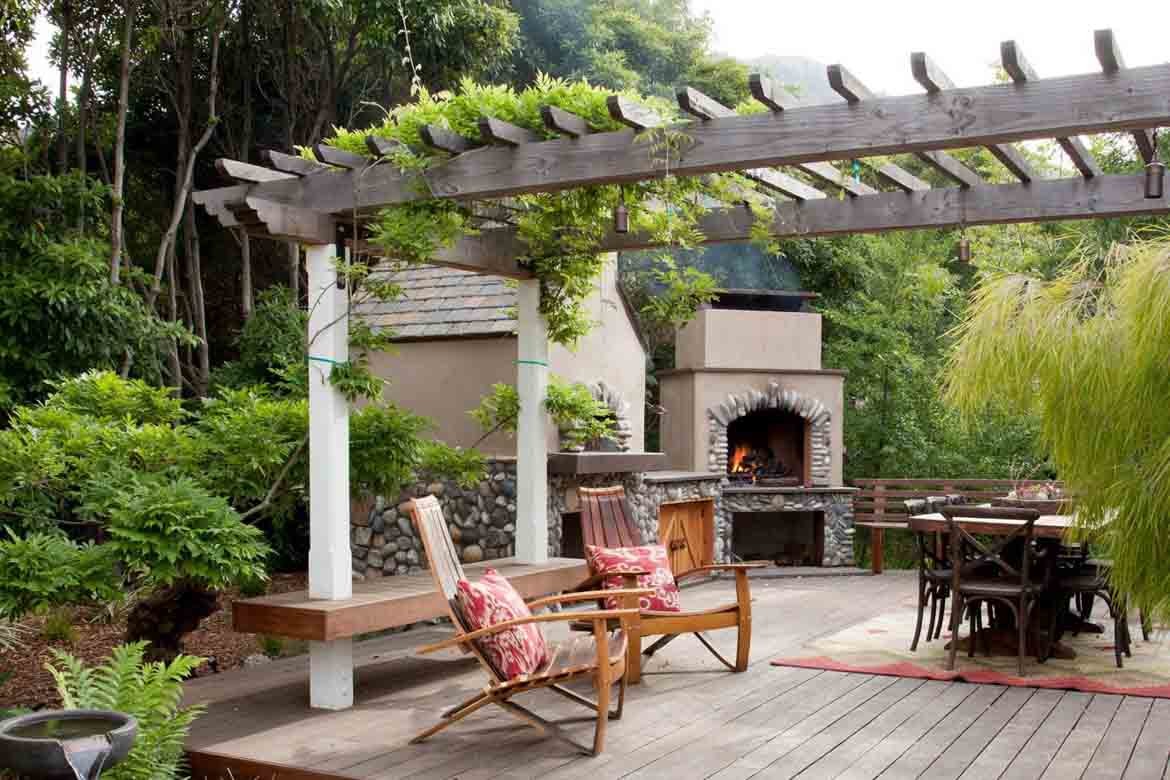
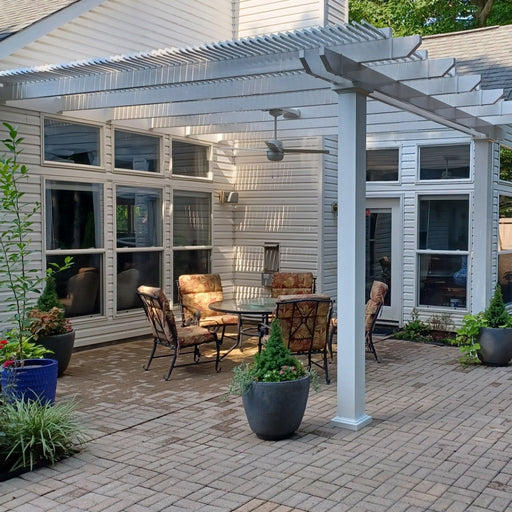
Pergola
A semi-open outdoor structure that provides shade and defines an outdoor space. Often attached to the home or freestanding. -
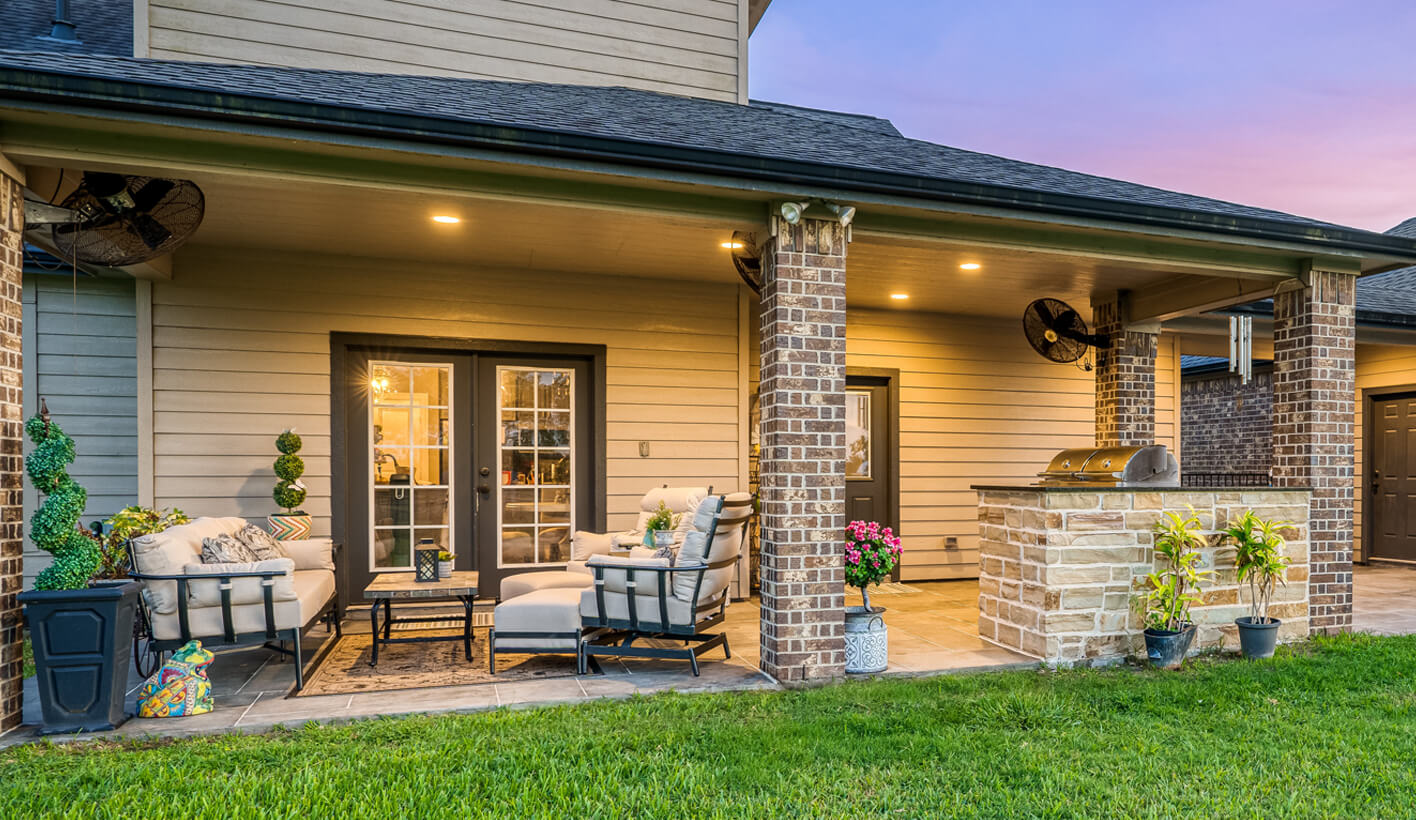
Patio
A paved outdoor area, typically connected to the house, often combined with a fixed roof or cover. -
Gazebo
A fully freestanding structure with a solid roof, traditionally used as a focal point in gardens.
Each option creates a different outdoor experience.
Pergola: Flexible, Modern Outdoor Living
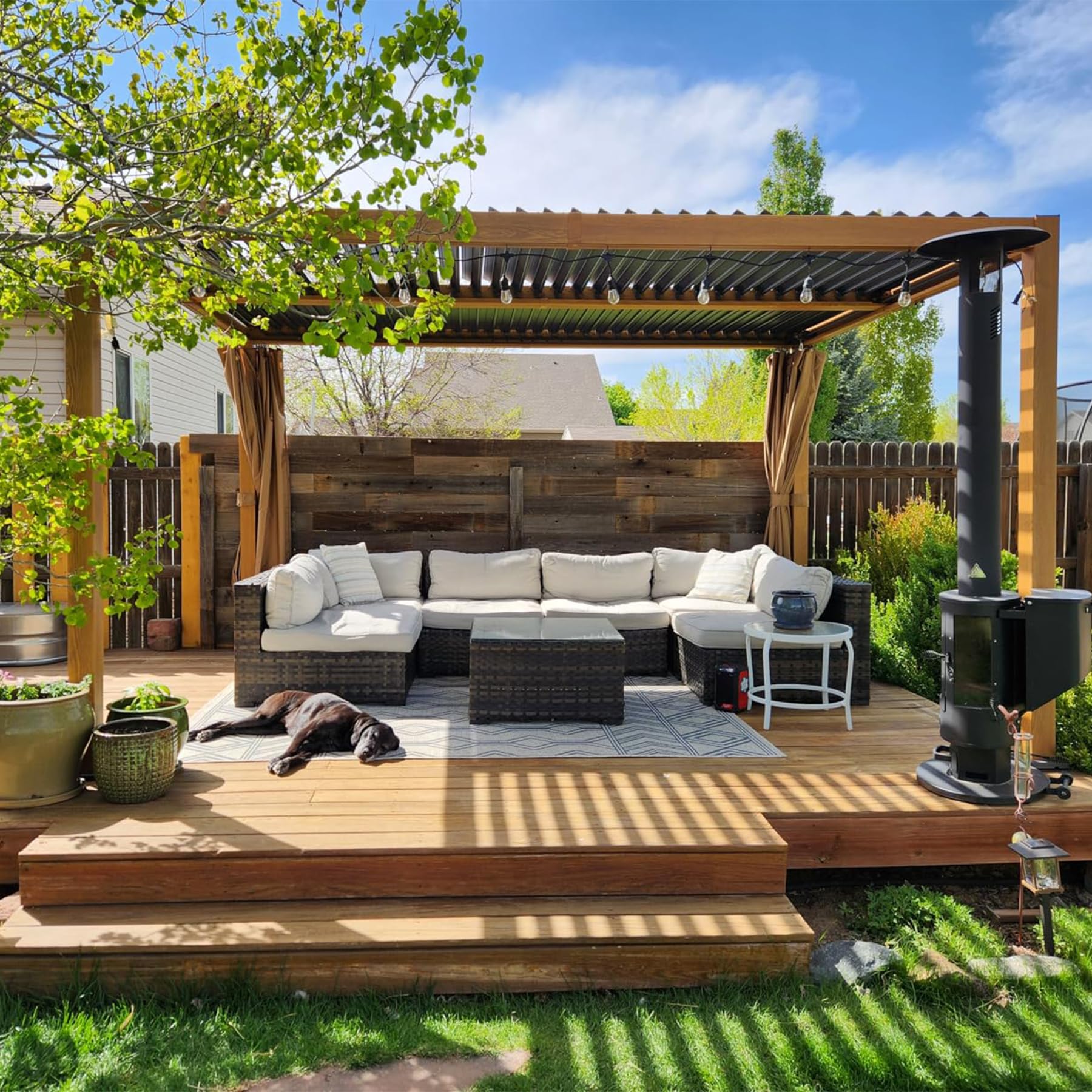
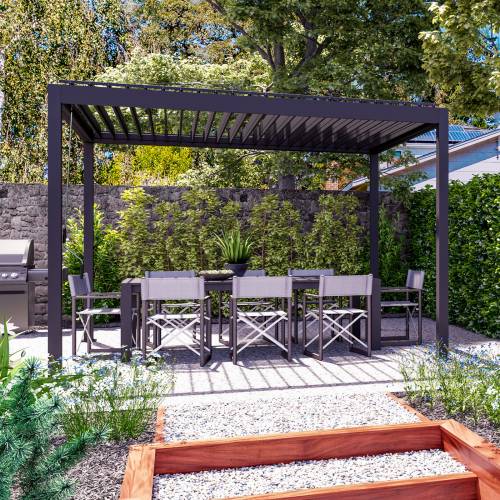
Pergolas are among the most popular choices for modern homes, thanks to their design flexibility and lifestyle appeal.
Key Features
-
Open or adjustable roof design
-
Can be attached to the house or freestanding
-
Allows airflow while providing shade
-
Highly customisable in size and style
Pergolas are ideal for homeowners who want to create a seamless indoor–outdoor connection without fully enclosing the space.
At PureSolid, pergolas are often selected as a long-term outdoor living solution, integrating with lighting, screens, and adjustable roofing systems.

Patio: Solid Coverage and Everyday Use
A patio typically refers to a paved outdoor area, often paired with a solid roof or cover attached to the home.
Key Features
-
Fixed roof structure
-
Strong protection from sun and rain
-
Often integrated with the house design
-
Limited airflow compared to pergolas
Patios suit homeowners who prioritise consistent weather protection and plan to use the space regardless of conditions.
However, patios can feel more enclosed and may reduce natural ventilation during warmer months.
Gazebo: Decorative and Freestanding
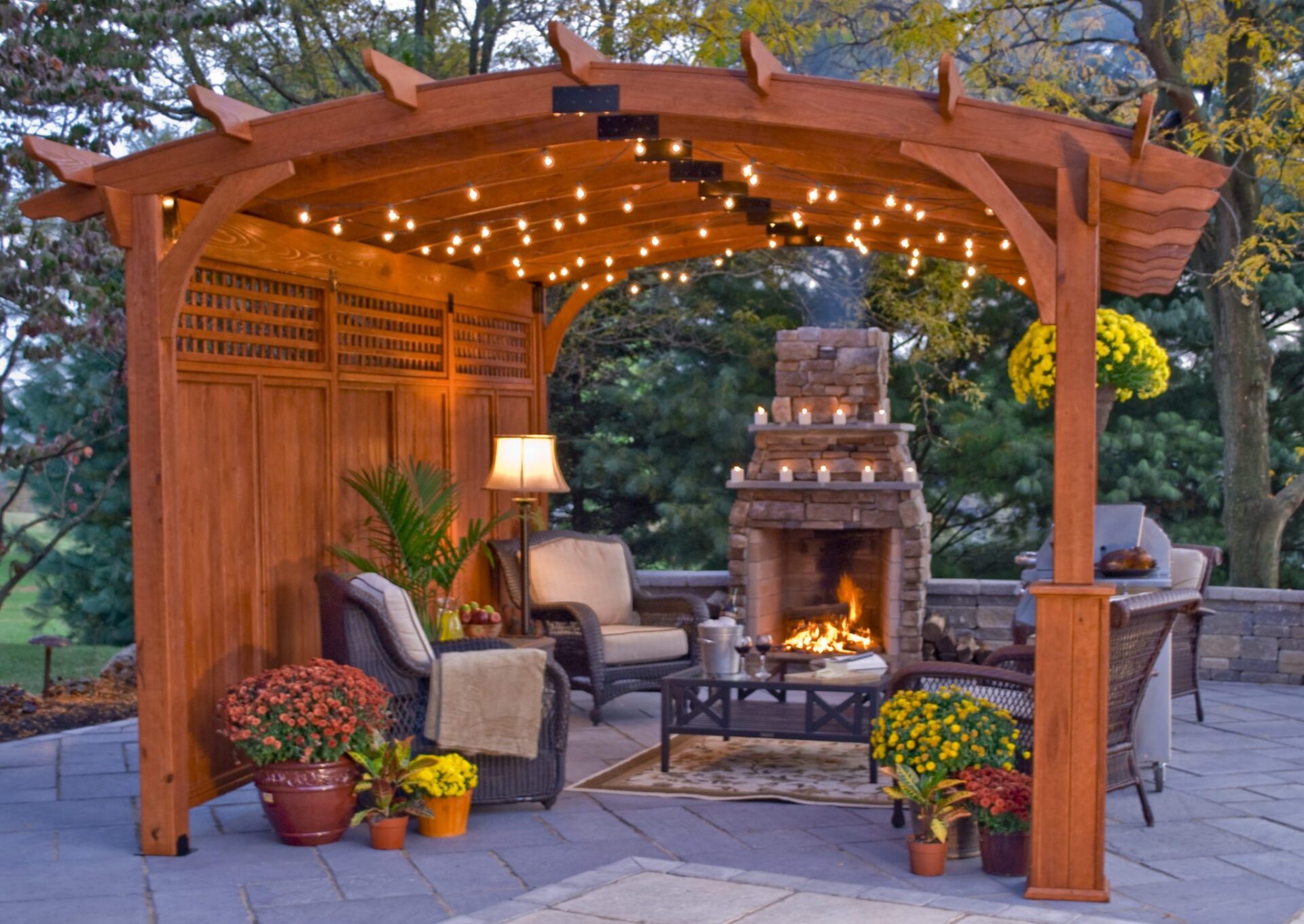
Gazebos are standalone structures, traditionally placed away from the house.
Key Features
-
Fully roofed
-
Freestanding design
-
Often used as a garden feature
-
Limited size flexibility
Gazebos work well as visual focal points but are generally less adaptable for daily living compared to pergolas or patios.

Weather Protection Comparison
One of the biggest factors in homeowners' decisions is how each structure handles weather.
-
Pergola:
Offers shade and airflow; rain protection depends on roof design (fixed panels vs louvres). -
Patio:
Provides consistent rain and sun protection but limits airflow. -
Gazebo:
Strong roof protection but usually exposed on the sides.
In variable Australian climates, many homeowners prefer solutions that balance shade, ventilation, and rain control.
Maintenance and Durability
Maintenance requirements vary significantly depending on structure and materials.
-
Pergolas (Aluminium)
Very low maintenance, resistant to rot and corrosion. -
Patios
Roof materials may require periodic checks and cleaning. -
Gazebos
Timber or fabric models often need regular upkeep and replacement parts.
From a long-term perspective, material choice often matters more than structure type.
Lifestyle and Property Value
Outdoor structures increasingly influence how homeowners use their space — and how buyers perceive a property.
-
Pergolas often add a modern, architectural extension to the home.
-
Patios create functional, all-weather zones.
-
Gazebos provide decorative charm, but are less integrated.
Well-designed outdoor spaces can enhance lifestyle enjoyment and contribute to property appeal when thoughtfully planned.
Side-by-Side Comparison Table
| Feature | Pergola | Patio | Gazebo |
|---|---|---|---|
| Structure | Semi-open | Fixed roof | Fully roofed |
| Attachment | Attached or freestanding | Usually attached | Freestanding |
| Sun Control | Adjustable or partial | High | High |
| Rain Protection | Moderate to high | High | High |
| Airflow | Excellent | Limited | Moderate |
| Design Flexibility | Very high | Moderate | Limited |
| Maintenance (Aluminium) | Very low | Low | Varies |
| Best For | Outdoor living & entertaining | All-weather use | Garden focal points |
Frequently Asked Questions
Which structure is best for year-round use?
Patios and louvred pergolas offer the most reliable year-round usability.
Do pergolas add value to a home?
Yes. Pergolas can enhance the appeal of outdoor living and improve how a property is perceived by buyers.
Is a gazebo suitable for small backyards?
Gazebos can work in small spaces, but are less flexible in shape and placement.
Which option requires the least maintenance?
Aluminium pergolas generally offer the lowest maintenance over time.
Final Thoughts: Choosing the Right Outdoor Structure
There is no single “best” option — only the one that best fits your lifestyle, space, and expectations.
-
Choose a pergola for flexibility, airflow, and modern outdoor living.
-
Choose a patio for consistent weather protection and everyday use.
-
Choose a gazebo for decorative, freestanding garden features.
For many homeowners, the ideal solution balances durability, comfort, and long-term usability rather than focusing solely on structure.
At PureSolid, outdoor structures are approached as part of a complete system — designed to perform well today and continue adding value for years to come.