

Roof decks transform underutilised spaces into vibrant outdoor living areas — ideal for entertaining, relaxing or expanding your usable home footprint. But building a roof deck raises a slew of questions: how to handle structure, waterproofing, drainage, materials, building codes and long-term maintenance.
This guide answers the most common questions about roof decks and provides professional insight to help you plan, design and build a durable rooftop deck — including how PureSolid composite decking and pergola systems can elevate your space.
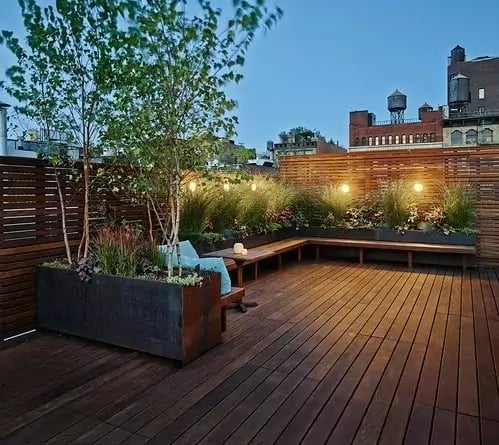
1️⃣ What Is a Roof Deck?
A roof deck is a flat or gently sloping exterior surface built over a roof structure, designed to be used as a functional outdoor space. Roof decks can be:
-
Above garages
-
Home extensions
-
Multi-level apartments
-
Standalone rooftop areas
They often incorporate decking boards, seating, and shade structures (such as pergolas), and require thoughtful integration of waterproofing and structural support.
2️⃣ Do You Need a Permit to Build a Roof Deck?
It depends on local building codes and your existing roof structure.
In most Australian states, roof decks require approval if:
✔ Structural modifications are involved
✔ Load-bearing capacity is changed
✔ Access stairs or railings are added
✔ Drainage or waterproofing systems are altered
Always check with your local council or a building certifier before planning your roof deck project — especially in South Australia, NSW, Victoria, Queensland or WA, where codes and triggers can vary.
3️⃣ What Structural Requirements Do Roof Decks Have?
A roof deck must support:
-
Dead loads (finishes, decking boards, pergolas)
-
Live loads (people, furniture, planters)
-
Environmental loads (wind uplift, snow or water entry in some climates)
This means your structural engineer or builder must consider:
📌 Joist and beam reinforcement
📌 Support post placement
📌 Connection to existing framing
📌 Lateral bracing to resist wind forces
DIY enthusiasts should not assume the roof structure is adequate — an engineer’s review is strongly recommended.
4️⃣ How Do You Waterproof a Roof Deck?
Waterproofing is the most crucial aspect of roof deck performance.
Common approaches include:
🧱 1. Membrane Systems
TPO, PVC, EPDM or liquid-applied membranes installed over decking substrate.
💧 2. Drainage Mats
Under-deck drainage mats channel water away and protect the waterproof layer.
🪵 3. Elevated Decking
Installing composite decking boards above a waterproof membrane with a ventilated cavity helps protect waterproof layers and improves airflow.
The combination of a waterproof membrane, drainage, and ventilated deck boards is best practice—especially under pergola shading, where water must not stagnate.
PureSolid decking systems are designed to allow airflow beneath boards, keeping moisture away from roof surfaces and extending system life.
5️⃣ What Materials Are Best for Roof Decking?
Materials for roof decks must balance performance, weight, weather resistance and aesthetics. Common options include:
🌿 Composite Decking
-
Engineered for outdoor durability
-
Low maintenance
-
Low moisture absorption
-
UV-stable colours
-
Works with hidden fixing systems
Examples: high-grade boards like PureSolid composite decking — ideal on roof decks because they drain and ventilate well, minimising water retention.
🪵 Timber
-
Natural look
-
Requires sealing, staining
-
Higher maintenance
-
Moisture risks if not detailed well
🧱 Tiles & Pavers
-
Durable and high aesthetic appeal
-
Heavier weight demands stronger structure
-
Requires grout and drainage detailing
🟫 Artificial Stone & Concrete
-
Modern look
-
Can be heavy
-
Needs good drainage and waterproofing beneath
Composite decking provides a strong balance of weight-to-performance, durability and aesthetic appeal, especially for rooftop environments where weight minimisation matters.
6️⃣ How Should You Handle Drainage on a Roof Deck?
Drainage is critical to prevent water pooling and to reduce stress on the waterproof membrane. Good drainage principles include:
✔ Slope towards outlets (minimum 1–2% fall)
✔ Scuppers and internal drains that feed stormwater systems
✔ Drainage mats under decking boards
✔ Gaps between decking boards (for runoff)
Proper drainage helps prevent leaks and prolongs the life of both the deck and the waterproof membrane.
Pro tip: Ensure the roofing contractor, deck installer and waterproofing specialist coordinate early — don’t leave drainage details until the end.
7️⃣ Can You Install Decking Over Existing Roofing?
Yes — but only with careful preparation:
📌 Check roof load capacity
📌 Protect the waterproof membrane first
📌 Add drainage matting
📌 Elevate decking boards on adjustable pedestals or battens
📌 Allow ventilation beneath boards
Composite decking systems, such as PureSolid, are often installed above waterproof membranes using ventilated subframes or pedestal systems, which improve airflow and prevent moisture buildup.
8️⃣ What Are the Best Pergola Options for Roof Decks?
Roof decks often pair beautifully with shade structures. Popular options include:
☀️ Louvred Pergola
Adjustable slats control sun, shade, and ventilation — ideal for high-UV climates.
🌤 Fixed Roof Pergola
Provides dependable all-weather coverage.
🌿 Sail Shade
Flexible and breathable, but less durable than structured pergolas.
PureSolid pergolas offer aluminium durability, low maintenance and modern design — ideal for rooftops where wind, sun and exposure are key considerations.
9️⃣ Do Roof Decks Require Extra Maintenance?
Yes, but the right materials minimise it:
✔ Composite decking: requires periodic washing
✔ Waterproof membrane checks: visual inspection yearly
✔ Drainage points: clear leaves/debris
✔ Pergola fittings: check fasteners and gutters seasonally
Rooftop elements are exposed to intense sun and weather — choosing low-maintenance materials is key.
PureSolid composite decking and aluminium pergolas require far less maintenance than traditional timber or fabric options.
10️⃣ Are Roof Decks a Good Investment?
Absolutely — when designed right.
Benefits include:
-
Expanded usable living space
-
Enhanced lifestyle & entertainment areas
-
Increased property appeal and resale value
-
Elevated architectural presence
Roof decks with well-chosen finishes (e.g., composite decking, pergola shading, built-in seating) often deliver strong lifestyle and market value impacts.
Frequently Asked Questions
Can you build a roof deck yourself?
Simple deck patio projects can be DIY, but rooftop installations require experienced professionals due to structural, waterproofing and drainage complexities.
What’s the lifespan of a roof deck?
With high-quality materials and proper waterproofing, roof decks can last 20+ years with minimal maintenance.
Does composite decking stay cool on a roof deck?
Yes — especially when paired with shade structures like pergolas and light-coloured decking finishes.
Are roof decks prone to leaks?
Only if waterproofing or drainage is neglected. Proper membranes and installation significantly reduce risk.
Final Thoughts: Planning a Successful Roof Deck
A roof deck is one of the most exciting home upgrades — but also one of the most complex. The keys to success are:
✔ Early coordination with engineering & waterproofing
✔ Design that manages water and ventilation
✔ Durable materials like PureSolid composite decking
✔ Practical shade from pergola systems
✔ Maintenance planning upfront
When well-designed and executed, a roof deck becomes an extension of your living space — perfect for outdoor dining, relaxing, entertaining or simply enjoying elevated views.