

The Advantages of Aluminium Pergolas: Style, Durability, and Low Maintenance
Outdoor living has become an essential part of Australian homes. Whether it’s creating a shaded area for entertaining, relaxing with family, or enhancing property value, pergolas play a key role in shaping functional outdoor spaces.
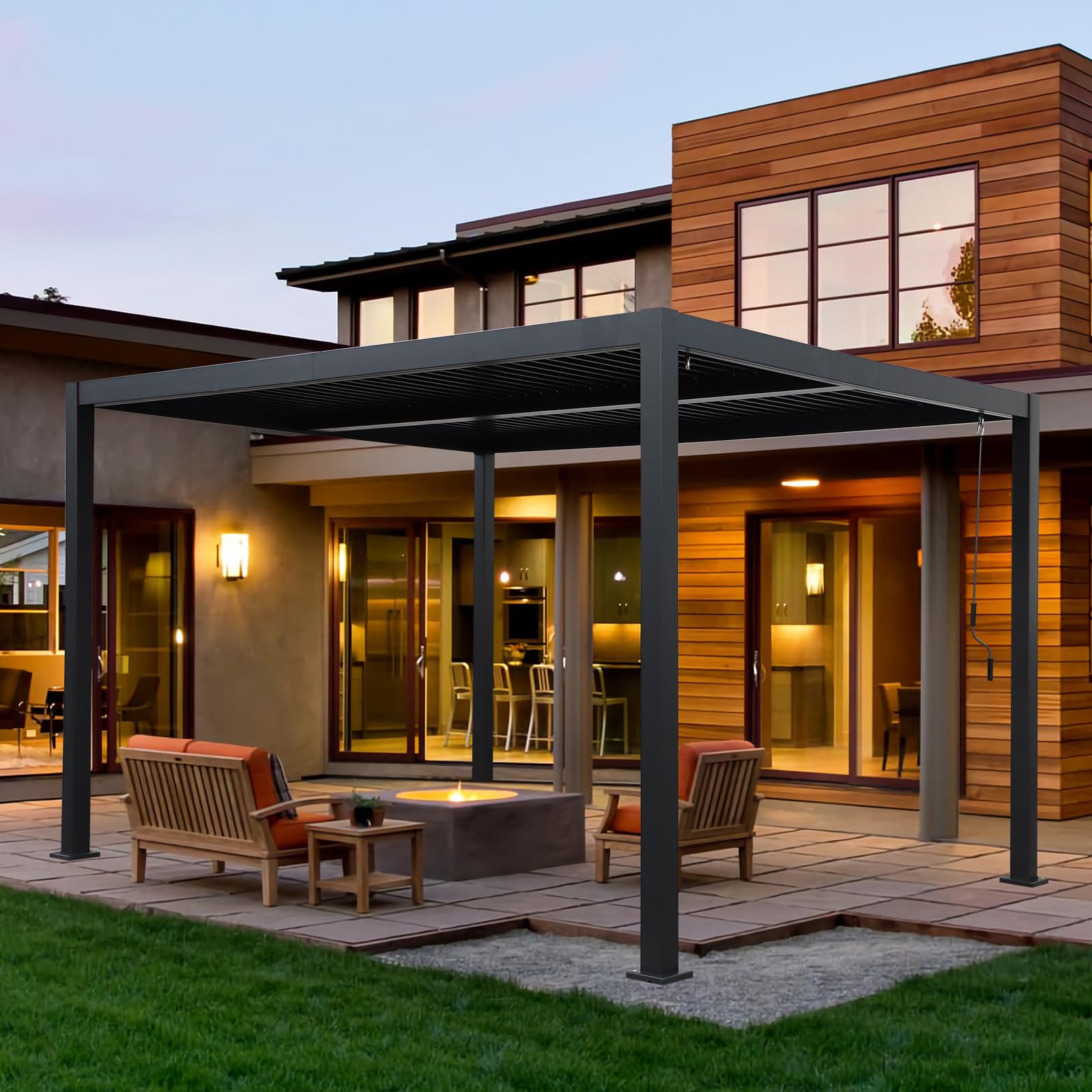
Among the available options, aluminium pergolas have emerged as a preferred solution for homeowners seeking a balance of modern design, long-term durability, and minimal upkeep. This guide explains why aluminium pergolas stand out — and how they compare with traditional materials.
Why Pergola Material Choice Matters
A pergola is a permanent outdoor structure, exposed year-round to sun, rain, wind, and temperature changes. The material you choose directly affects:
-
Structural lifespan
-
Maintenance requirements
-
Visual appearance over time
-
Long-term ownership cost
At PureSolid, we often see homeowners upgrading older pergolas not because of poor design, but because the original material could not withstand Australian conditions over the long term.
Aluminium vs Traditional Pergola Materials
Aluminum Pergolas
Aluminium pergolas are engineered for strength and stability while remaining lightweight.
Key characteristics
-
Resistant to rust, rot, and termite damage
-
Does not warp, crack, or split
-
Maintains its appearance for years with minimal care
Aluminium is particularly well-suited to high-UV, coastal, and low-maintenance outdoor environments.
Timber Pergolas
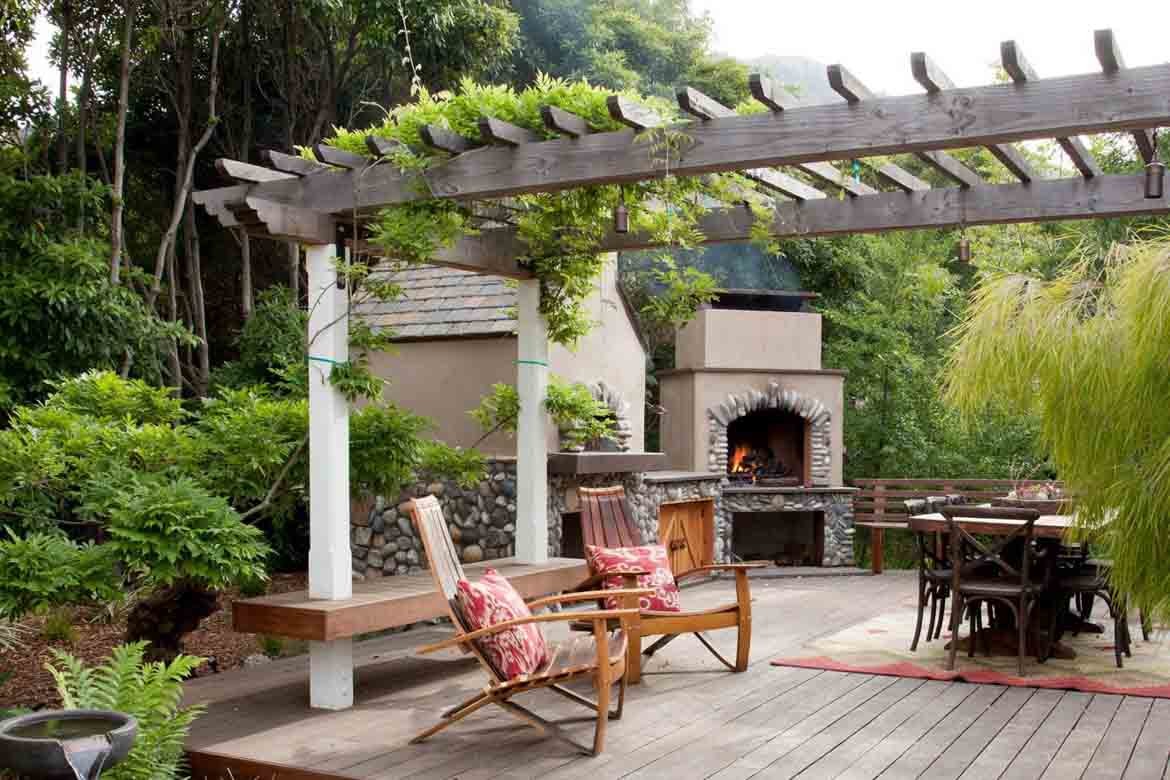
Timber pergolas offer a traditional, natural aesthetic but require ongoing care.
Key considerations
-
Susceptible to moisture, rot, and insect damage
-
Requires regular staining, sealing, or painting
-
Can warp or crack over time
While timber remains popular for its appearance, many homeowners underestimate the long-term maintenance commitment involved.
Steel and Other Materials
Steel pergolas provide strength but introduce other challenges.
Typical drawbacks
-
Risk of corrosion if coatings are compromised
-
Heavier structures require stronger foundations
-
Higher long-term maintenance in coastal areas
Other materials, such as vinyl, may reduce maintenance but often lack the structural strength and design flexibility homeowners expect.
Durability Built for Australian Conditions
Australia’s climate is one of the toughest tests for outdoor structures:
-
Intense UV exposure
-
Seasonal heavy rainfall
-
Coastal salt air
-
Temperature fluctuations
Aluminium pergolas perform exceptionally well in these conditions. Powder-coated aluminium resists fading, corrosion, and weathering — making it a practical choice for long-term outdoor use.
At PureSolid, durability is treated as a system-level consideration, ensuring pergola frames, fixings, and finishes work together for long-lasting performance.
Low Maintenance: A Major Advantage for Homeowners
One of the strongest reasons homeowners choose aluminium pergolas is the minimal maintenance required.
With aluminium:
-
No painting, staining, or sealing required
-
No risk of rot or insect infestation
-
Simple cleaning with water and mild detergent
For busy homeowners, this translates to more time enjoying the space and less time maintaining it.
Style and Design Flexibility
Aluminium pergolas are no longer limited to simple, utilitarian designs. Modern systems offer:
-
Clean architectural lines
-
Multiple colour and finish options
-
Compatibility with contemporary and traditional homes
-
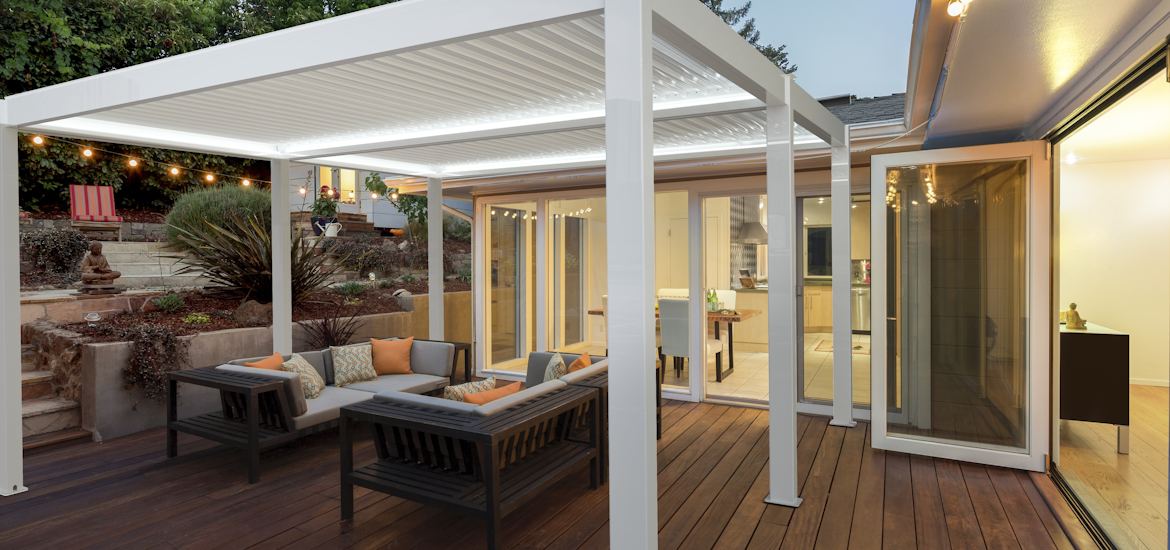
Integration with lighting, screens, and adjustable louvres
This flexibility allows homeowners to create outdoor spaces that feel like a true extension of the home.

Long-Term Value and Property Appeal
A well-designed aluminium pergola is more than shade — it’s an investment.
Benefits include:
-
Increased usable outdoor space
-
Improved visual appeal
-
Enhanced lifestyle functionality
-
Potential uplift in property value
Because aluminium pergolas maintain their appearance and structural integrity over time, they often provide better value than materials requiring frequent repairs or replacement.
Pergola Material Comparison Table
| Material | Durability | Maintenance | Appearance Over Time | Best For Homeowners Who… |
|---|---|---|---|---|
| Aluminum | ★★★★★ Excellent | ★☆☆☆☆ Very Low | Maintains clean, modern look | Want long-term performance with minimal upkeep |
| Timber | ★★☆☆☆ Moderate | ★★★★☆ High | Ages visibly, requires care | Prefer a natural look and accept ongoing maintenance |
| Steel | ★★★★☆ High | ★★★☆☆ Moderate | Depends on coating quality | Need strength but can manage corrosion risk |
| Vinyl / PVC | ★★★☆☆ Moderate | ★★☆☆☆ Low | Can fade or become brittle | Want low maintenance but lighter-duty use |
Frequently Asked Questions
Are aluminium pergolas suitable for coastal areas?
Yes. Aluminium is highly resistant to corrosion and performs well in coastal and high-humidity environments.
Do aluminium pergolas get hot in the sun?
Like most outdoor materials, aluminium can warm up under direct sunlight. Proper design, airflow, and roof options help manage heat effectively.
Are aluminium pergolas more expensive than timber?
Initial costs may be higher, but aluminium pergolas often cost less over time due to reduced maintenance and longer lifespan.
Can aluminium pergolas be customised?
Yes. Modern systems offer various sizes, colours, roof styles, and accessory options to suit different homes.
Final Thoughts: A Smarter Approach to Outdoor Living
Choosing the right pergola material is about balancing aesthetics, durability, and long-term practicality. For many Australian homeowners, aluminium pergolas offer a clear advantage — combining modern design with outstanding durability and low maintenance.
A well-planned pergola should enhance outdoor living today while continuing to perform for years to come. When material choice is made with long-term conditions in mind, the result is a space that remains enjoyable, functional, and visually appealing.