

Recycled plastic decking is increasingly chosen by homeowners looking for a durable, moisture-resistant, and low-maintenance outdoor solution. Unlike traditional timber, plastic decking does not rot, splinter, or require regular sealing — but it does require correct installation to perform as intended.
This guide explains how to install recycled plastic decking, what to prepare before you start, and the most common mistakes homeowners should avoid — particularly in Australian conditions.

Why Homeowners Choose Recycled Plastic Decking
Recycled plastic decking is manufactured from high-density recycled polymers and is designed to perform in challenging outdoor environments.
Key benefits for homeowners include:
-
Excellent resistance to moisture, mould, and rot
-
No need for oiling, sealing, or painting
-
Consistent board dimensions
-
Long service life with minimal upkeep
At PureSolid, we often recommend recycled plastic decking for ground-level decks and moisture-prone areas, where long-term durability and low maintenance are a priority.
Planning Before Installation
Good preparation is essential for a successful installation. Before fixing any boards, homeowners should confirm:
-
The deck area is level and well-drained
-
The subframe is structurally sound and correctly spaced
-
All boards are acclimatised to site conditions
Recycled plastic decking boards should be stored flat, supported evenly, and kept out of direct sunlight prior to installation.
Tools You Will Need
Most recycled plastic decking installations require standard tools:
-
Drill and driver
-
Measuring tape and chalk line
-
Circular saw or mitre saw
-
Stainless steel or corrosion-resistant fixings
-
Safety gloves and eye protection
Using appropriate fixings is critical. Low-quality or incompatible screws can lead to staining, loosening, or long-term performance issues.
Preparing the Subframe and Joists
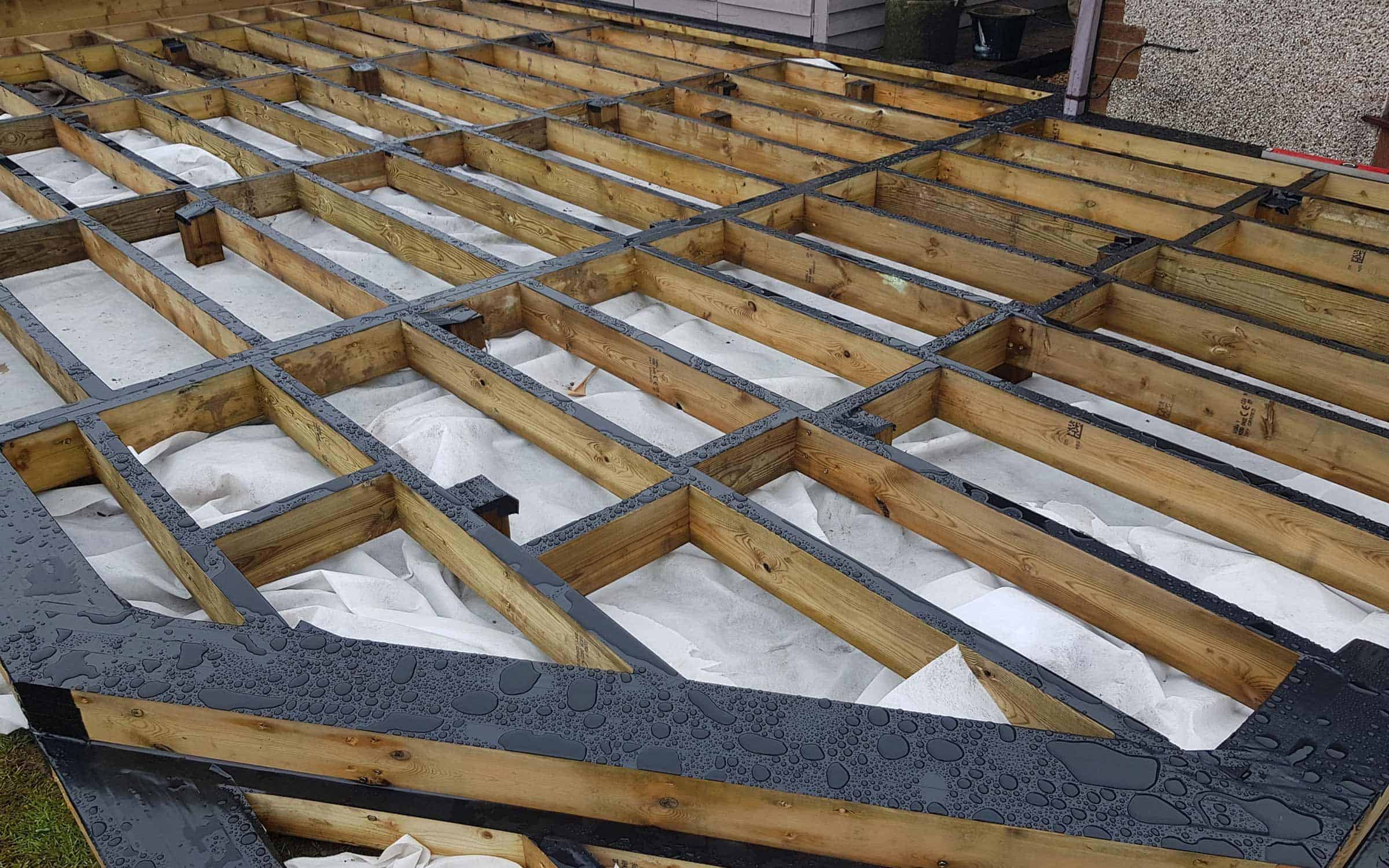
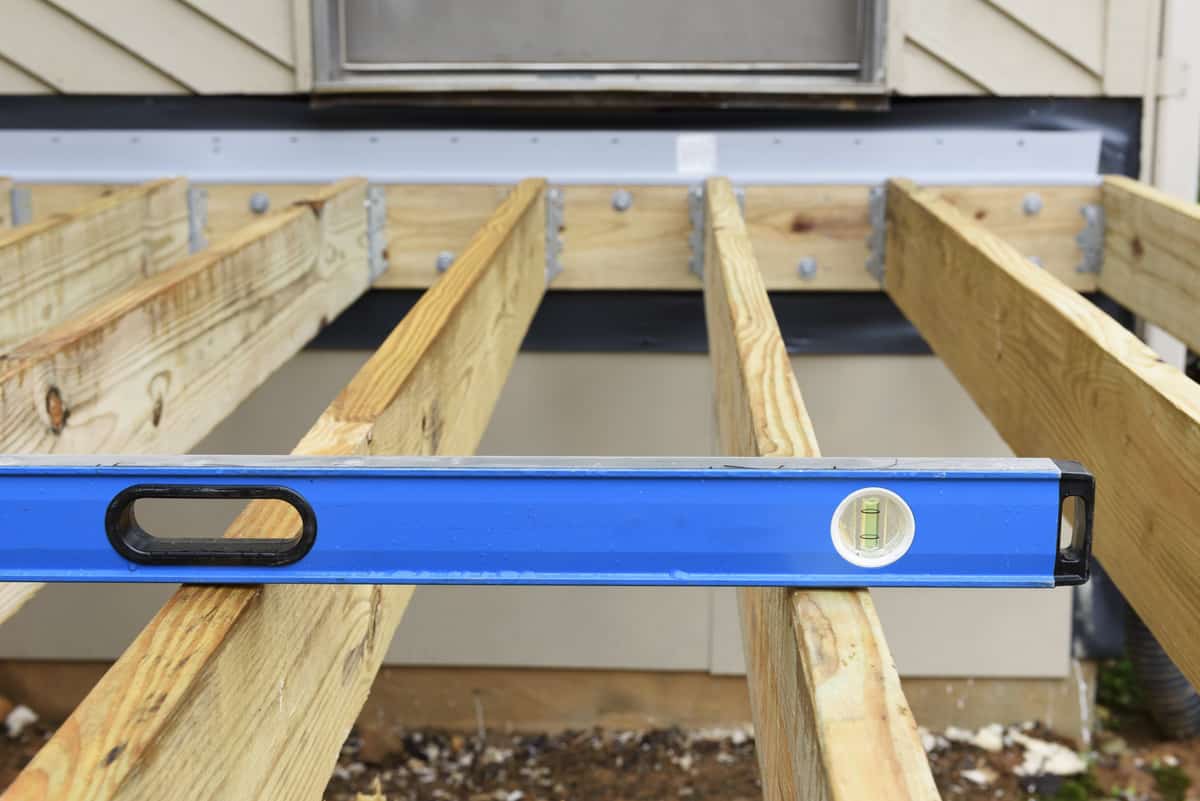
The subframe forms the foundation of the deck and must be installed correctly before boards are laid.
Important considerations:
-
Joists must be level, square, and securely fixed
-
Adequate airflow beneath the deck is essential
-
Drainage should allow water to move freely away from the structure
For recycled plastic decking, closer joist spacing is typically required compared to timber decking. Always follow the board manufacturer’s spacing recommendations to minimise flex and movement.

Board Spacing and Thermal Movement
Recycled plastic decking expands and contracts with temperature changes. Allowing for thermal movement is one of the most important aspects of installation.
General guidance for homeowners:
-
Leave consistent gaps between boards for expansion
-
Allow adequate end-to-end spacing where boards meet
-
Maintain clearance from walls, edges, and fixed structures
Failure to allow for movement can cause boards to buckle, lift, or place unnecessary stress on fixings.
Step-by-Step Installation Process
-
Set out the first board
Ensure the first board is straight and correctly aligned, as it determines the layout of the entire deck. -
Pre-drill fixing points
Pre-drilling helps prevent stress around fixings and allows controlled movement. -
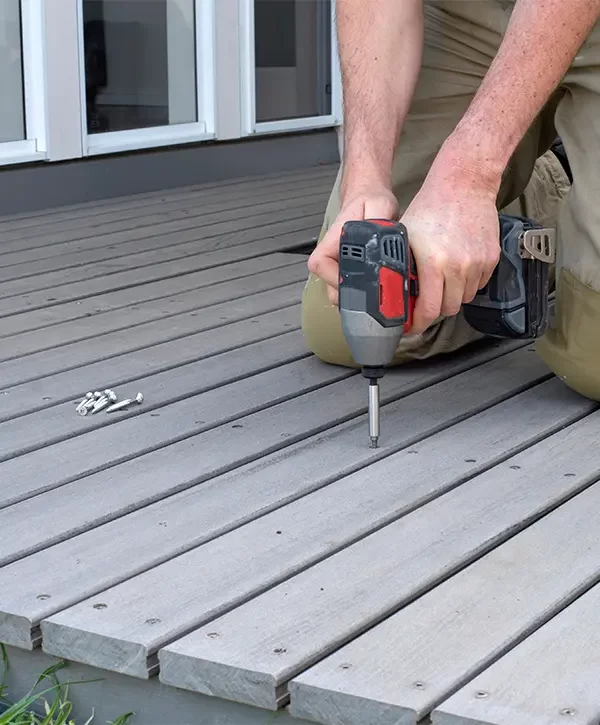
Fix boards evenly
Secure boards using recommended fixings without over-tightening. -
Maintain consistent spacing
Use spacers to ensure uniform gaps between boards. -
Continue across the deck
Regularly check alignment and spacing as you progress. -
Final inspection
Confirm all fixings are secure and boards are evenly supported.
At PureSolid, we emphasise that recycled plastic decking performs best when installed as part of a complete system, where boards, joists, fixings, and spacing are considered together rather than individually.


Inspection and Ongoing Maintenance
Once installed, recycled plastic decking requires minimal maintenance.
Recommended care includes:
-
Occasional cleaning with mild detergent and water
-
Removing debris to maintain drainage and airflow
-
Periodic inspection of fixings and substructure
Unlike timber, recycled plastic decking does not require sealing, sanding, or refinishing.
Common Installation Mistakes to Avoid
Homeowners should be aware of the most common errors:
-
Over-tightening screws
-
Ignoring recommended expansion gaps
-
Installing on uneven or poorly supported subframes
-
Using non-corrosion-resistant fixings
Avoiding these issues during installation helps ensure long-term performance and appearance.
Frequently Asked Questions
Is recycled plastic decking suitable for Australian climates?
Yes. When installed correctly, recycled plastic decking performs well in wet, humid, and high-UV environments.
Can recycled plastic decking be installed on timber joists?
It can, provided the timber subframe is properly treated, ventilated, and structurally sound.
Does recycled plastic decking get hot?
Like most decking materials, darker colours can become warm in direct sunlight. Good airflow and lighter colours help manage heat.
How long does recycled plastic decking last?
With correct installation and minimal maintenance, recycled plastic decking can last for decades.
Final Thoughts: Installation Matters as Much as Material
Recycled plastic decking offers homeowners a durable and low-maintenance outdoor surface — but only when installed correctly. Proper subframe preparation, accurate spacing, and suitable fixings are essential for long-term performance.
A well-installed deck should provide years of enjoyment with minimal upkeep. Taking the time to follow best-practice installation principles from the outset ensures your deck performs as intended, season after season.